The Quiet Difference Clean Water Makes in Everyday Life
Water Is Easy to Ignore Until It Isn’t Most of us don’t think much about the water running from the kitchen tap. It’s just there, doing…
Water Is Easy to Ignore Until It Isn’t
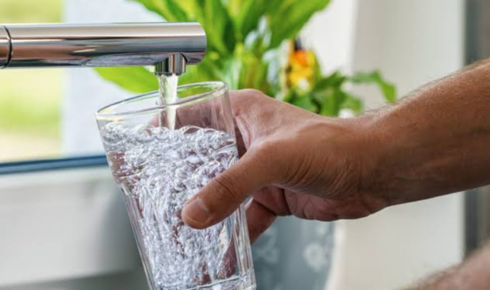
Most of us don’t think much about the water running from the kitchen tap. It’s just there, doing its daily job. We boil pasta with it, fill the dog’s bowl, rinse apples, make tea, brush our teeth, and pour a glass before bed without giving it a second thought. That’s the funny thing about water: when it tastes fine and looks clear, we assume everything is alright.
But anyone who has ever noticed a chlorine smell, cloudy glass, metallic taste, or chalky buildup around taps knows water can tell a different story. Sometimes the signs are obvious. Other times, they’re quiet — dry skin after showers, soap that never quite lathers, coffee that tastes slightly off, or appliances wearing out sooner than expected.
Clean water is not just about taste, though taste matters a lot. It’s about comfort, confidence, and the small daily things that make a home feel healthier and easier to live in.
What Might Be Hiding in Household Water?
Water can pick up all sorts of unwanted substances before it reaches your glass. Some come from municipal treatment processes, others from ageing pipes, nearby agricultural activity, natural minerals in the ground, or even the plumbing inside your own home.
Chlorine is commonly used to disinfect public water supplies, and it plays an important role. Still, it can leave behind a strong smell or flavour that many people dislike. Hard minerals like calcium and magnesium can cause scale buildup. Sediment may appear as tiny particles or cloudiness. In some areas, water may contain iron, sulphur, lead, PFAS, pesticides, or other contaminants that are not always easy to detect without testing.
This is why homeowners are becoming more thoughtful about what comes through the tap. A clear glass of water may look harmless, but looks alone don’t tell the whole story.
Why Taste and Smell Matter More Than People Think
Some people dismiss taste and odour issues as minor inconveniences. But let’s be honest, if your water smells like a swimming pool or tastes like coins, you’re probably not going to drink enough of it. You’ll reach for bottled water, sugary drinks, or maybe just ignore thirst until later.
That’s where filtered water can make a surprisingly practical difference. It encourages better drinking habits because it simply feels more pleasant to use. Tea tastes cleaner. Soups and sauces are less affected by odd flavours. Ice cubes don’t carry that faint chemical smell. Even pets, funny enough, may seem more willing to drink when water tastes fresh.
It’s not luxury. It’s one of those ordinary upgrades that quietly improves daily life.
Whole-Home Comfort Starts at the Source
Many people first think about installing a small filter under the kitchen sink or using a pitcher. Those can help, especially for drinking and cooking. But water doesn’t only affect the kitchen. It flows through showers, laundry machines, dishwashers, water heaters, bathroom taps, and outdoor lines too.
Hard water, for example, can leave spots on dishes, make towels feel stiff, dry out skin, and shorten the life of appliances. Sediment can clog fixtures. Iron can stain sinks and tubs. These problems aren’t always dramatic, but over time they become expensive and annoying.
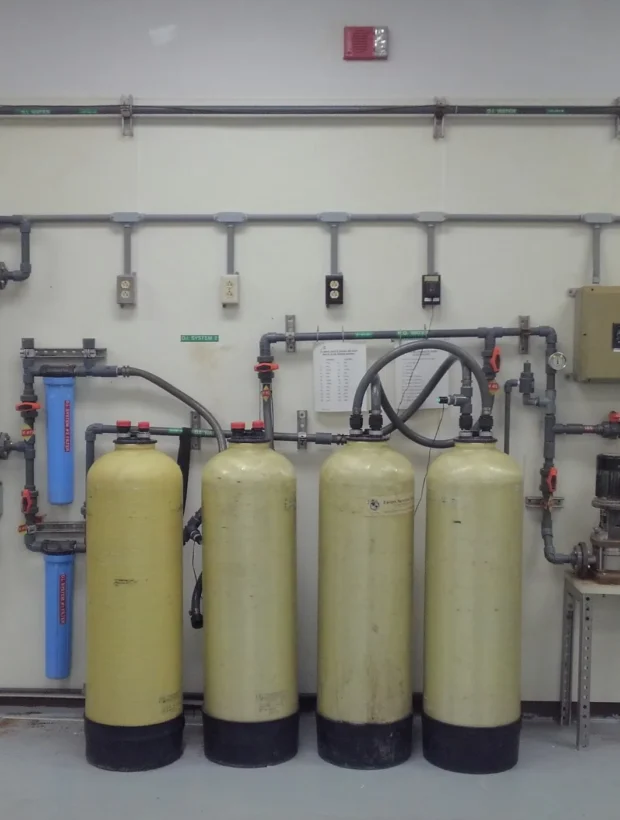
That’s why whole-home systems are worth considering, especially in areas with known mineral or contaminant issues. Treating water at the entry point helps protect plumbing, appliances, clothes, skin, and everyday household routines.
Testing First Saves Guesswork Later
Buying a system without testing your water is a bit like buying medicine without knowing what’s wrong. It might help, but it might also miss the real issue.
A proper water test can reveal hardness levels, chlorine, iron, pH balance, sediment, bacteria concerns, or specific contaminants depending on the region and water source. Homes using private wells should be especially careful, because well water is not monitored the same way municipal supplies are.
Once you know what’s actually in the water, choosing the right system becomes much easier. Some homes need carbon filtration. Others need softening, reverse osmosis, UV purification, sediment removal, or a combination setup. There is no one-size-fits-all answer, and that’s okay. Water is local. Sometimes very local.
Choosing the Right System Without Overcomplicating It
The market is full of shiny promises, and honestly, it can feel a little overwhelming. Pitchers, faucet filters, reverse osmosis systems, softeners, whole-house filters, UV lights — all useful in the right situation, but not all necessary for every home.
Good water treatment solutions should match the actual water problem, household size, plumbing setup, budget, and long-term maintenance needs. A family of five with hard water and high chlorine needs something different from a single-person apartment with mild taste concerns. A rural well system may need stronger protection than a city home with treated municipal water.
It’s also important to think about filter changes, salt refills, cartridge lifespan, warranty coverage, and installation quality. A cheap system that’s ignored after six months isn’t really saving money. The best setup is one you can maintain without turning it into a second job.
The Everyday Benefits Add Up
Cleaner water often shows up in small ways before big ones. A shower feels better. Coffee tastes smoother. Glassware looks clearer. Laundry feels softer. Faucets stay cleaner for longer. You may notice less scale around fixtures or fewer complaints about strange smells.
For families, there’s also peace of mind. Parents want to know the water used for baby formula, cooking, and daily drinking is as clean as reasonably possible. Homeowners want to protect appliances they spent good money on. Even renters want better taste without relying on endless plastic bottles.
And yes, reducing bottled water use is another quiet benefit. It saves storage space, cuts plastic waste, and usually costs less over time.
Maintenance Is Part of the Deal
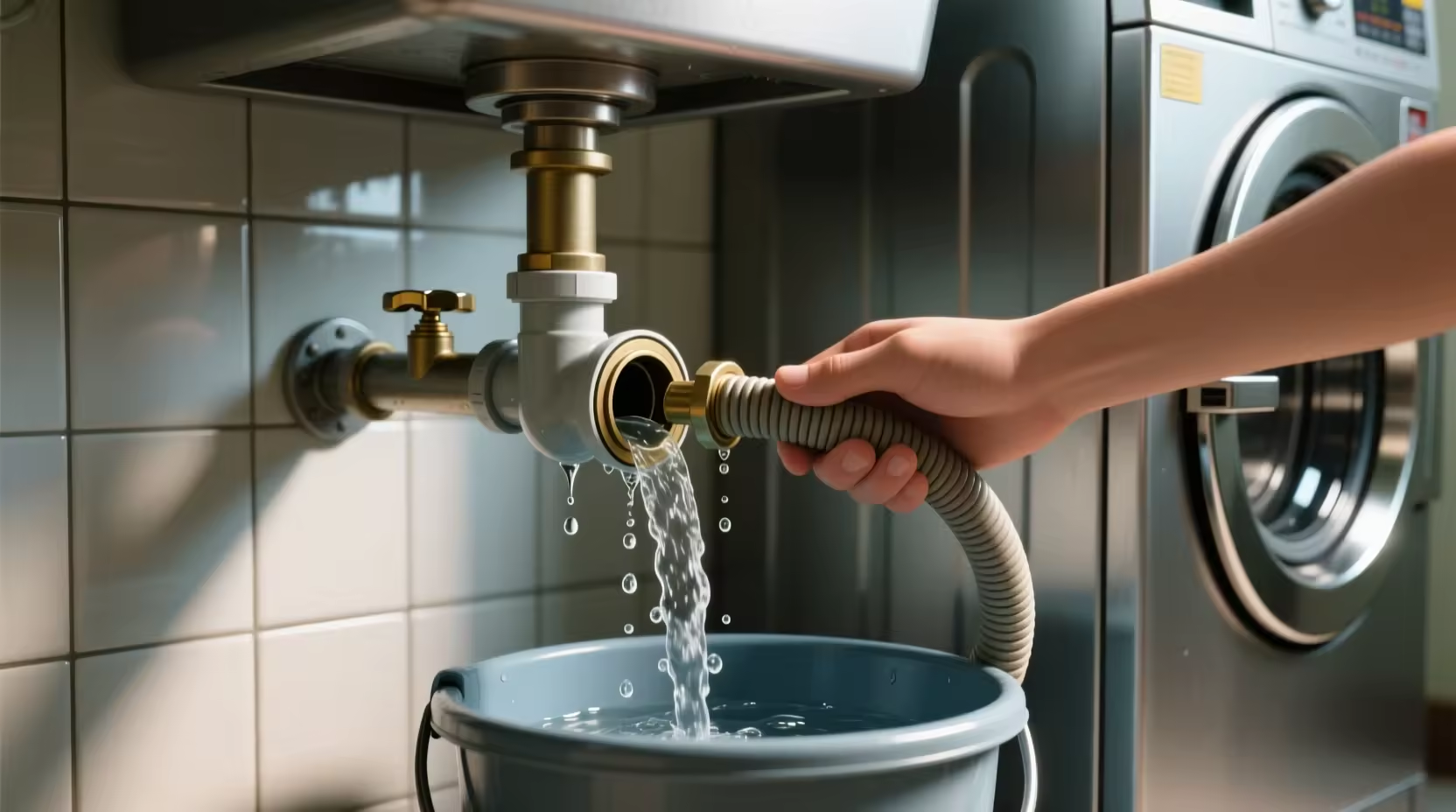
A water system is not something to install and forget forever. Filters need replacing. Softener salt may need refilling. UV lamps have a lifespan. Systems should be checked occasionally to ensure they’re still doing their job.
That might sound like a hassle, but most maintenance is simple when planned properly. Put reminders on your phone. Keep replacement cartridges handy. Ask your installer how often service is needed based on your water usage. A little attention keeps the system performing well and prevents surprises later.
A Better Home Begins With Better Basics
Water is one of the most basic parts of a home, but basic doesn’t mean unimportant. In fact, it’s usually the simple things — clean air, steady heat, safe wiring, reliable plumbing, good water — that shape daily comfort the most.
Investing in healthier water is not about chasing perfection. It’s about making a sensible improvement to something your household uses every single day. Whether you start with a simple test, a kitchen filter, or a full home system, the point is the same: understand your water, treat what needs treating, and enjoy the difference.
Clean water doesn’t make a big entrance. It just quietly makes everything a little better.