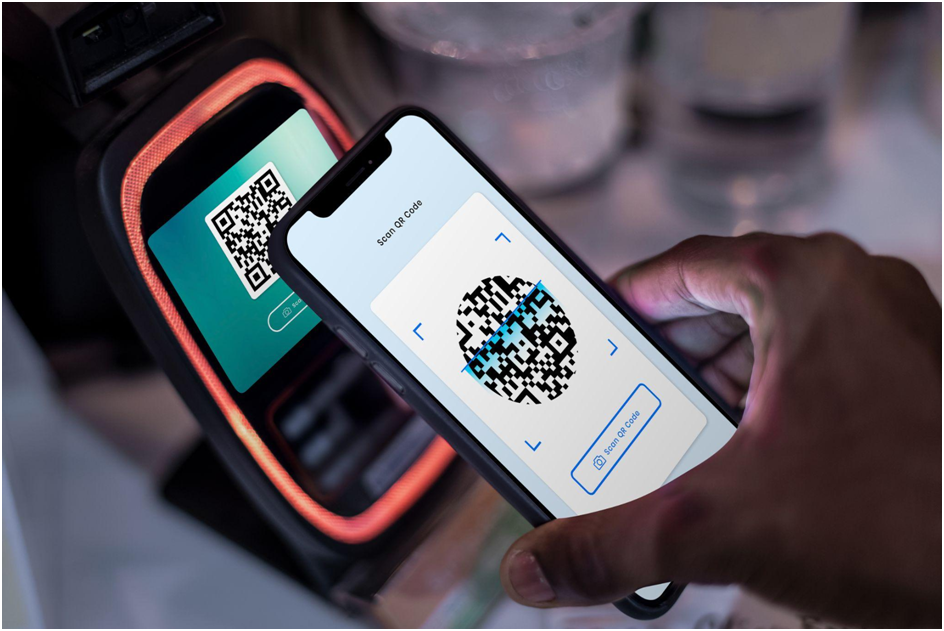
With respect to making payments, India has definitely evolved. In today’s world, people can simply scan a QR code in order to pay for things at local stores. Using the UPI (Unified Payment Interface) system, users are able to quickly send and receive money from one person to another using only their phone. Whether you’re paying for food from a store, dividing the bill between friends in a restaurant, ordering a taxi or simply sending money to a family member, UPI makes it quicker and easier to manage money.
What Is UPI and How Does It Work?
UPI was introduced by the National Payments Corporation of India in 2016. This allows users to transfer money directly from one bank account to another quickly.
Through a UPI enabled app, you can easily pay using either a UPI ID, a contact or a QR code. As transactions are usually very quick to complete, UPI is a convenient alternative to cash and conventional methods of paying.
Many popular apps such as PhonePe, Google Pay, Paytm and BHIM allow users to pay with UPI, a convenient payment option Singapore escort can use for shopping, bill payments and daily purchases. Due to its simplicity, UPI has allowed people of varying ages and incomes to easily perform digital payments.
1. Making Everyday Transactions Easier
Previously, making small payments may have required cash or a debit card. However, now you can make small payments such as paying at a tea stall using a QR code.
Things that UPI can be used for include:
- Paying for groceries and vegetables.
- Ordering food, and shopping online.
- Buying tickets, hailing cabs, and paying for various services.
- Sending money to friends/relatives.
- Paying electricity, phone bills and other utilities.
- Sharing costs within groups.
This flexibility means that we can make payments anytime. We no longer need to go to banks or ATMs, and so do not have to carry cash in our daily lives as frequently.
2. Empowering Small Businesses and Local Vendors
It means that small retailers and traders can receive electronic payments. This is much easier to do through QR codes than previously with either expensive card readers or complex banking methods.
Local traders can now receive payments directly into bank accounts, making digital transactions easier for Doha escort who operate small businesses and independent ventures. This can mean transactions are quicker for businesses, and give them a better understanding of how much money they have earned.
Overall, these digital payment options mean that small businesses have the opportunity to get involved in the increasing online economy. Those customers who wish to make cashless payments can easily pay for goods/services at local businesses.
3. Promoting Financial Inclusion
UPI means that people and businesses can access useful, affordable financial products.
As many people now have smartphones, internet and bank accounts, it means that more people can engage in digital payment options. UPI allows people who may not be as frequent visitors to banks to send and receive money with ease.
This can allow people in smaller towns and rural areas to send/receive money. However, digital skills and a stable internet connection are still important to allow equal benefits for everyone.
4. The Role of UPI in a Cashless Economy
A cashless system can be beneficial to India. As money is being moved digitally there is less need for the physical form of money.
Records can be kept of payments made, which can allow individuals and businesses to keep track of their spending. In turn, it allows individuals to make easier decisions regarding how much they spend in order to fit within their budgets.
Despite this, cash is still very important in parts of India, and Dubai escorts can recognize why traditional payment methods continue to have a place alongside modern digital transactions. Those in areas with limited internet access, and those who may be less comfortable using digital services still rely on cash. Therefore, UPI should be seen as an alternative payment method, but not a complete alternative to cash.
Challenges and Security Concerns
Problems with digital payments include: fraudulent activity, scam messages, incorrect payments and fake payments.
As many individuals are unaware of secure activity in the digital world, they can be at risk of being scammed. It is very important to know that you should only enter your UPI PIN to make payments. Under no circumstances should you give away your PIN, one time password (OTP) or banking passwords.
Further problems include unsuccessful payments, poor connectivity, lack of digital awareness and smartphone dependency. In order to increase confidence in digital payments, it is vital to improve security features, raise awareness and improve digital infrastructure.
The Future of Digital Payments in India
Features have been added to UPI to improve digital payment in India. UPI Lite allows small value payments to be made, and UPI 123PAY allows payments on feature phones. This means digital payments are easier to make.
UPI is also being used internationally in partnership with other countries. Therefore, payments can easily be made in specific international markets.
As technology develops, digital payments in daily life are likely to increase. Raising awareness, building good infrastructure and using digital payments responsibly within society will be important so that increases in digital payments benefit all people.
CONCLUSION
UPI has transformed the way India handles everyday financial transactions. By making payments quick, convenient and accessible, it has changed how individuals shop, travel, manage expenses and support local businesses. It has also encouraged financial inclusion and strengthened India’s digital economy.
Although challenges such as cyber fraud and unequal digital access remain, UPI has demonstrated how technology can simplify ordinary activities and create meaningful social and economic change. Its growing adoption reflects an important shift towards a more connected and digitally empowered India.