The Comfort of a Home That Runs Smoothly
There are plenty of things to think about when maintaining a home, and plumbing doesn’t always make the list until something goes wrong. A shower takes too long to warm up, the kitchen sink starts draining slowly, or an outdoor tap develops a leak just as the garden needs watering. Suddenly, a system that usually works quietly in the background becomes everyone’s concern.
The good news is that many of these inconveniences can be reduced with a few practical improvements. Some upgrades save water, others make daily routines more comfortable, and regular maintenance can help prevent small faults from turning into expensive repairs. The right choices depend on how a household uses water, the age of its plumbing, and the problems that keep coming back.
You don’t have to renovate an entire home to notice a difference. Often, a targeted improvement in the right place is enough.
Getting Hot Water Where You Need It
Few household annoyances are as familiar as turning on a hot-water tap and waiting for the temperature to rise. In some homes, the bathroom is a long way from the water heater, so several seconds—or sometimes longer—pass before warm water arrives. During that time, perfectly usable water flows down the drain.
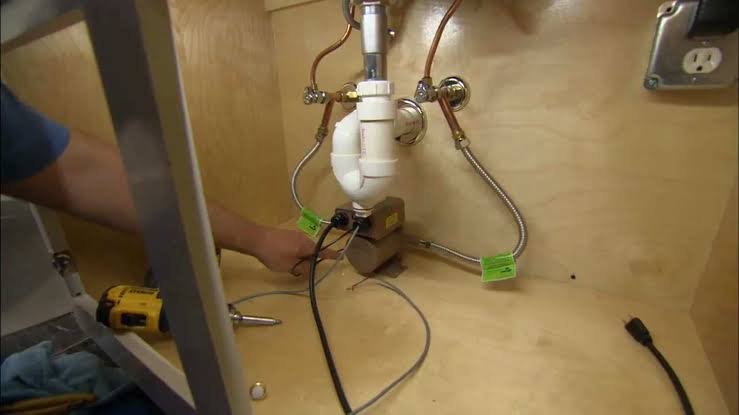
One possible solution is installing hot water recirculating pumps. These devices move hot water through a plumbing loop or use a return arrangement that helps make hot water available more quickly at selected fixtures. Some systems operate on a timer, while others use temperature controls or demand-based activation.
The practical benefit is convenience. A household may spend less time waiting for the shower to warm up, and depending on the system’s design, it may reduce the amount of water wasted while waiting. That said, the results depend on the plumbing layout, insulation, pump controls, and how often hot water is used.
A recirculation system isn’t automatically the best fit for every property. Continuously circulating hot water can increase heat loss if the pipes aren’t insulated properly or the controls are poorly configured. A demand-based system may be more appropriate for a household that wants quicker hot water without running a pump all day.
Before installing one, ask a plumber to assess the existing layout and explain the available options. A well-designed system should improve convenience without creating unnecessary energy costs.
Making the Kitchen Easier to Use
The kitchen is one of the busiest areas in a home. Between preparing meals, washing dishes, cleaning vegetables, and dealing with leftovers, the sink gets plenty of use. Small plumbing improvements here can make ordinary tasks noticeably easier.
For households that regularly prepare meals at home, garbage disposals can help process suitable food scraps into smaller particles that are carried away through the plumbing system. They may reduce the amount of certain food waste placed in the bin, although they don’t eliminate the need for responsible waste disposal.
A disposal unit still needs to be used correctly. Fibrous materials, grease, large bones, and other unsuitable items can cause problems, depending on the model. Grease deserves particular caution because it can cool, harden, and contribute to blockages farther down the drain. Even when a disposal is installed, it’s best to scrape excess food into the rubbish or an appropriate composting system.
Installation also matters. The unit must be compatible with the sink, drain arrangement, electrical supply, and local requirements. A professional can check these details and help select a model suited to the household’s needs.
There are simpler kitchen improvements worth considering, too. A leaking faucet, loose drain connection, or slow sink can make meal preparation unnecessarily frustrating. Fixing these issues early is often more useful than adding new equipment to a system that already needs attention.
Don’t Overlook Plumbing Outside the House
Outdoor water systems tend to receive less attention than indoor fixtures, mostly because they’re used seasonally or tucked away behind the house. Then spring arrives, the garden needs watering, and a tap that worked last year starts leaking. Or a sprinkler sprays the driveway instead of the lawn.
Well-maintained outdoor plumbing helps prevent water waste and keeps gardens, patios, and other exterior areas functioning as intended. Depending on the property, this may include garden taps, irrigation lines, outdoor showers, hose connections, drainage points, and plumbing serving sheds or other outbuildings.
Start with a visual check. Look for dripping connections, cracked hoses, damp patches in unexpected places, or areas of the lawn that stay wet long after watering. A sudden drop in water pressure may also indicate a leak or blockage, although there can be other causes.
Seasonal preparation is useful in places where temperatures fall low enough to freeze exposed pipes. Insulating vulnerable sections and disconnecting hoses before freezing weather arrives can reduce the risk of burst pipes. In warmer climates, heat and sun exposure can also wear out hoses and plastic fittings, so regular checks remain worthwhile.
Irrigation systems benefit from occasional adjustment. Sprinkler heads can shift, become clogged, or spray water onto paths and walls. Correcting their position may improve coverage while reducing unnecessary watering.
If an outdoor leak appears close to the home’s foundation, don’t simply ignore it because the water is outside. Persistent moisture can affect soil conditions and, in some circumstances, contribute to structural or drainage concerns. Find the source and arrange repairs before the damage spreads.
Small Leaks Can Create Bigger Bills
Not every plumbing improvement involves buying new equipment. Sometimes, the best investment is fixing a problem that’s already there. A slow drip from a tap or a toilet that continues running after flushing may waste water day after day without attracting much attention.
Check under sinks, around exposed pipe joints, and near appliances that use water. Watch for damp cupboards, peeling paint, musty smells, and unexplained increases in water bills. These signs don’t always point to a plumbing leak, but they are good reasons to investigate.
When the source isn’t obvious, a qualified plumber can inspect the system and determine whether a worn seal, damaged pipe, faulty valve, or concealed leak is responsible. Avoid repeatedly tightening fittings or dismantling components without knowing what caused the problem. A small repair can become more complicated if the wrong part is damaged.
It’s also worth knowing where the main water shutoff valve is located. If a pipe suddenly bursts, being able to shut off the supply quickly can limit water damage while professional help is arranged.
Choosing Improvements That Suit Your Household
A plumbing upgrade should solve a real problem, not simply add another device to maintain. Before committing to a project, think about what happens in your home each day. Do you regularly wait for hot water? Does the kitchen sink struggle during meal preparation? Are outdoor taps and irrigation lines wasting water?
Write down the recurring issues and prioritise them. Safety concerns and active leaks generally deserve attention before convenience upgrades. Once urgent problems are resolved, compare improvements based on installation costs, maintenance requirements, water use, and expected benefits.
Ask contractors to explain what the work includes and whether any changes to existing pipes, electrical connections, or drainage are necessary. Clear estimates make it easier to compare options and reduce the chance of unexpected costs. It’s also sensible to check product warranties and follow the manufacturer’s maintenance recommendations after installation.
A More Comfortable Home, One Improvement at a Time
Good plumbing isn’t necessarily about having the newest equipment. It’s about having systems that suit the home and work reliably when people need them. Quicker hot water, a more practical kitchen sink, and properly maintained outdoor connections can all make everyday routines less frustrating.
Regular inspections and prompt repairs are just as important as upgrades. They help homeowners spot developing issues, manage water use, and avoid preventable damage. And when a problem requires specialist knowledge, getting professional advice early is usually better than relying on guesswork.
Start with the improvements that will make the biggest difference to your household. A few well-chosen changes can deliver lasting comfort, reduce waste, and help keep the home running smoothly throughout the year.