Water plays a bigger role in business operations than many people realize. It runs through restaurant kitchens, supports manufacturing processes, keeps hotels comfortable, and helps commercial buildings maintain everyday hygiene. When water quality or supply becomes a problem, the effects can show up quickly, from equipment performance issues to unexpected maintenance expenses.
Yet not every business needs the same water treatment setup. A small café may be concerned about taste and scale buildup, while a manufacturing facility might need carefully controlled water for a specific production process. Choosing the right solution begins with understanding how water is used, identifying potential problems, and finding a system that makes practical sense over the long term.
Why Water Quality Matters in Commercial Settings
In a business environment, water quality isn’t simply a matter of appearance or taste. Depending on the industry, it can influence product consistency, equipment reliability, cleaning procedures, and operating costs.
Hard water, for example, contains elevated levels of calcium and magnesium. These minerals can form scale inside boilers, water heaters, dishwashers, and other equipment. As deposits accumulate, appliances may require more frequent cleaning and servicing. In some applications, scale can also reduce heat transfer efficiency and interfere with normal operation.
Other concerns include sediment, iron staining, chlorine taste and odor, and contaminants that may affect a particular process. A restaurant may need dependable drinking water and protection against mineral buildup, whereas a laboratory or manufacturing operation may require water with carefully defined chemical characteristics.
The important thing is to avoid making assumptions. Clear water isn’t necessarily free from contaminants, and a problem that affects one facility may be completely irrelevant to another. Testing provides a more reliable starting point than choosing equipment based on general recommendations.
Begin With a Professional Water Assessment
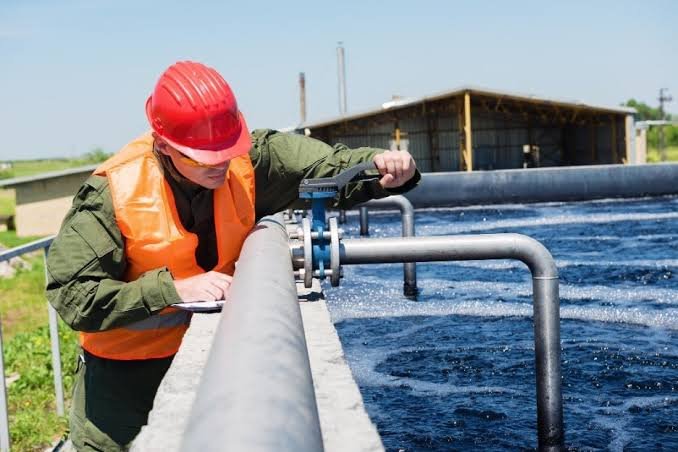
Before investing in treatment equipment, businesses should understand their incoming water supply and how it performs under normal operating conditions. A professional assessment can help identify hardness, dissolved minerals, sediment, and other substances that may require attention.
The testing process should reflect the business’s actual needs. A hotel with many guest rooms might prioritize scale control, consistent water quality, and reliable equipment operation. A food service business may need to consider drinking-water quality, beverage preparation, and applicable sanitation requirements. Industrial facilities may need additional analysis based on their production processes.
This is where commercial water treatment becomes more than simply installing a filter. It involves matching treatment technology to the property’s water conditions, daily demand, and operational requirements.
A useful assessment also considers peak water usage. Equipment that performs well during quiet periods may struggle when several production lines, kitchens, or bathrooms need water simultaneously. Understanding demand helps determine the capacity required and reduces the risk of choosing a system that’s too small or unnecessarily large.
Choosing Treatment Equipment That Fits the Application
Different water problems call for different solutions. Sediment filters can remove suspended particles, while activated carbon filtration may reduce chlorine taste and odor. Water softeners are commonly used to reduce hardness, helping limit scale formation in equipment and plumbing.
Reverse osmosis may be appropriate when a business needs to reduce many dissolved substances. Depending on the application, other options can include iron removal systems, ultraviolet disinfection, specialized filtration media, or multi-stage treatment arrangements.
The key is to select equipment based on verified performance rather than impressive marketing claims. A standard sediment filter, for instance, won’t reliably remove dissolved salts, and a water softener isn’t designed to disinfect microbiologically unsafe water.
Some facilities also need to consider the quality of water at specific points in the process. A business might treat all incoming water to address general concerns, then use additional equipment for drinking water, beverage preparation, or production. This targeted approach can sometimes be more practical than treating every gallon to the highest required standard.
When comparing systems, ask about rated capacity, operating pressure, consumable replacement intervals, wastewater production, and ongoing service requirements. These details help reveal how a system will perform after installation, not just how it looks on a specification sheet.
When Standard Filtration Isn’t Enough
Certain commercial operations have requirements that go beyond ordinary filtration. Food production, specialized manufacturing, laboratories, healthcare environments, and other technically demanding applications may require water with particular chemical or microbiological characteristics.
In these situations, specialty treatment solutions can provide a more targeted approach. Depending on the process, this may involve demineralization, advanced membrane systems, precise chemical treatment, or combinations of technologies designed to meet specific water quality targets.
For example, mineral content can affect some manufacturing processes, while inconsistent water chemistry may interfere with cleaning or product quality. Healthcare and laboratory settings can have additional requirements, so system design must reflect the relevant standards and the intended use of the water.
Specialized systems need careful planning. Treatment stages must be compatible, monitoring requirements should be clearly defined, and the finished water must be tested against the criteria that matter for the application. It’s not enough to assume that an advanced system will automatically produce the desired result.
Working with an experienced provider can help a business understand the technical requirements before committing to equipment or installation work.
Installation Should Minimize Business Disruption
Even the right treatment system can create unnecessary headaches if installation isn’t planned properly. For a busy restaurant, hotel, or production facility, extended water interruptions may affect normal operations and customer service.
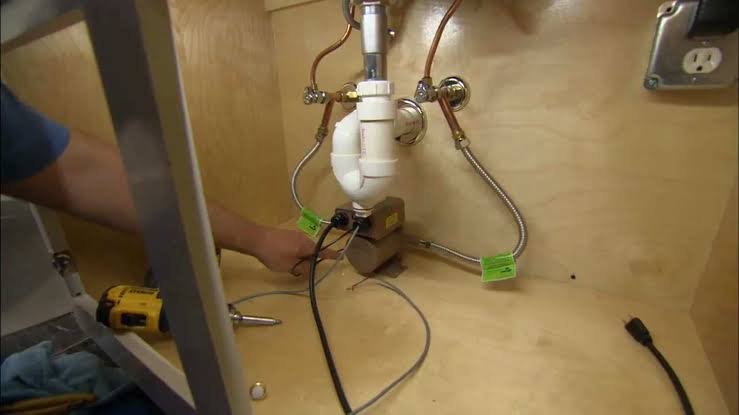
Before installation, review the proposed location, plumbing connections, electrical requirements, drainage needs, and available maintenance access. The system should be positioned so technicians can inspect and service it without dismantling nearby equipment or disrupting other work.
Where possible, schedule installation during a quieter period. Larger facilities may also need a staged installation plan or temporary arrangements to maintain essential operations.
Ask the service provider to explain what will happen on installation day, how long the work is expected to take, and whether any changes to existing plumbing are required. Clear communication helps managers plan staffing, production, and customer activities around the work.
After installation, the system should be checked to confirm that it operates as intended. Depending on the application, commissioning may include flow checks, leak inspections, water testing, and adjustments to treatment settings.
Maintenance Protects Performance and Budgets
Commercial water treatment equipment requires routine attention. Filters become loaded with particles, membranes need appropriate care, softeners require salt where applicable, and mechanical components may eventually need adjustment or replacement.
A preventive maintenance schedule helps businesses avoid waiting until something fails. It can include filter changes, inspections, cleaning, performance testing, and service visits based on the manufacturer’s recommendations and the actual operating conditions.
Keep records of service dates, test results, replacement parts, and any changes in system performance. These records make it easier to identify recurring problems and plan future expenses.
Staff should also know what warning signs to report. A sudden drop in water pressure, unusual odors, unexpected staining, or a change in product quality may indicate that something needs investigation. Addressing these issues early can reduce downtime and prevent small problems from becoming expensive repairs.
Take the Next Step Toward Better Water Management
A dependable water treatment plan can support smoother operations, protect equipment, and help businesses maintain consistent water quality. But choosing the right setup shouldn’t begin with the most expensive system or the longest list of features. It should begin with the water itself and the demands of the facility.
Businesses looking to improve their current setup can schedule free water test services, where available, to gain a clearer understanding of their water conditions before making decisions. Confirm which tests are included, whether laboratory analysis is necessary, and what recommendations will follow.
From there, compare treatment options based on performance, total operating costs, service availability, and the specific needs of your business. With good testing, thoughtful planning, and regular maintenance, water treatment becomes a practical part of responsible facility management rather than another unexpected operational problem.