Good Water Is Easier to Trust When the System Is Built to Last
A water system is not something most people want to think about every week. You want to turn on the tap, fill a glass, make coffee,…
A water system is not something most people want to think about every week. You want to turn on the tap, fill a glass, make coffee, wash fruit, refill a bottle, and move on with your day. That is the whole point. Good water should feel simple.
But behind that simplicity is equipment, service, testing, installation, and support. When those pieces are handled well, the system becomes part of the home or workplace without much fuss. When they are not, even a small water issue can become annoying fast. Strange taste returns. Filters clog too soon. Flow slows down. Nobody knows who to call.
Choosing a water system is not just about buying equipment. It is about choosing confidence.
Why Reliability Matters From the Start
Water is used constantly, which means even small failures can become disruptive. At home, water touches drinking, cooking, showers, laundry, cleaning, and appliances. At work, it supports staff hydration, customer comfort, coffee stations, break rooms, and daily routines.
That is why long term reliability should be a major part of any water treatment decision. A system that works well for the first month but becomes difficult to maintain later is not really a good value. The better choice is usually the one that is properly sized, correctly installed, and backed by service that keeps it performing year after year.
Reliable water equipment should not feel fragile. It should feel steady.
The Water Itself Comes First
Before choosing any filter, softener, cooler, or drinking water system, the actual water needs to be understood. Different homes and businesses have different concerns. One property may deal with hardness and scale. Another may have chlorine taste. A private well may bring iron, sediment, odour, or changing mineral levels.
A proper test helps identify the real condition of the water quality instead of relying on guesses. This matters because the wrong system can waste money and still leave the original problem unsolved.
For example, a carbon filter may help with taste and odour, but it will not fix hard water scale. A softener may protect appliances from minerals, but it is not designed as a complete drinking water purifier. Testing gives the whole process a better starting point.
A Good System Should Fit the Property
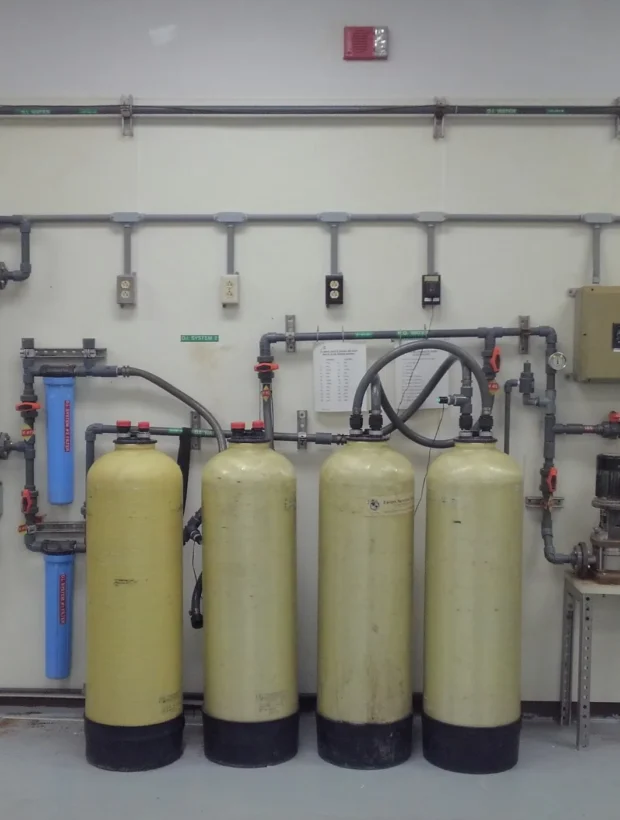
There is no perfect system for every building. A small kitchen may need a compact under-sink drinking water filter. A larger home may need whole-home treatment. An office may need a bottleless cooler. A gym or clinic may need high-capacity drinking water stations that can serve many people throughout the day.
The system should match the water, the plumbing, the available space, and the number of people using it. It should also be easy to maintain. If filters are hard to reach, service is confusing, or the system is undersized, frustration will show up later.
Practical design matters as much as technical features.
Installation Is Not Just a Small Detail
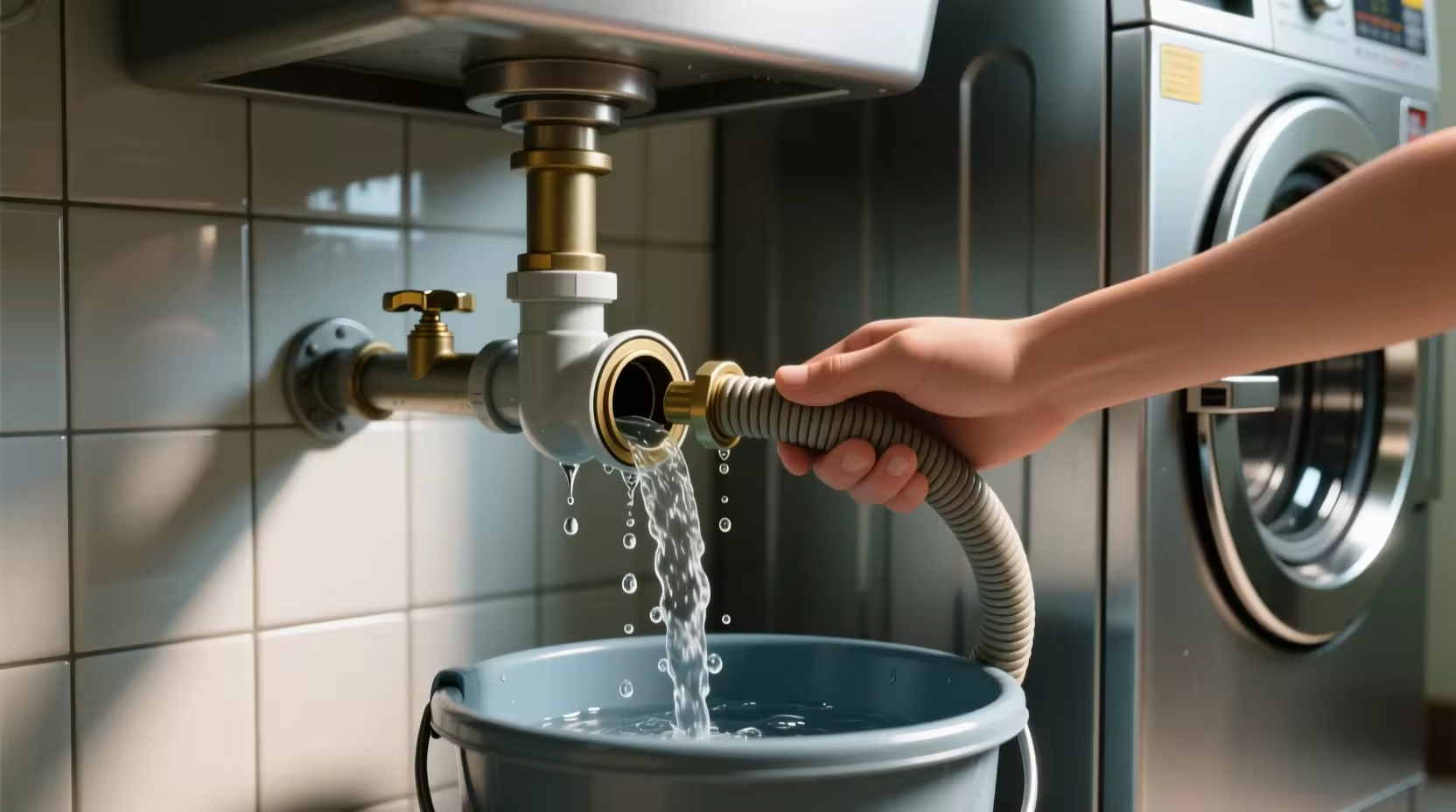
Even quality equipment can disappoint if it is installed poorly. Bad placement, weak connections, wrong pressure settings, or rushed setup can lead to leaks, low flow, or inconsistent performance. A neat and professional installation protects both the system and the space around it.
For homes, that may mean keeping cabinets usable and plumbing tidy. For businesses, it may mean placing dispensers where staff and visitors can actually access them comfortably. Good installation also includes testing the system after setup and explaining how it works.
A homeowner or office manager should not be left staring at equipment, wondering what to do next.
Support Makes the Difference Over Time
Water systems need care. Filters must be replaced, softeners may need salt, coolers need cleaning, and settings may need checking. Water conditions can also change over time, especially with wells or older plumbing.
This is where strong customer support becomes important. Good support means clear answers, easy scheduling, honest advice, and help when something does not seem right. It also means someone is available after the sale, not just during the purchase.
That matters because most people do not want to become water treatment experts. They want dependable guidance from someone who understands the system.
Maintenance Keeps Performance Steady
Maintenance is not exciting, but it is what keeps water systems working properly. A filter that is past its life will not perform like new. A neglected softener may allow hardness to return. A cooler that is not cleaned can lose its fresh appeal. Small issues may grow if nobody checks them.
Regular service can include filter changes, water testing, cleaning, performance checks, salt delivery, and inspection of parts. This keeps the system from slowly declining in the background.
The best maintenance feels almost invisible. Service happens on schedule, water stays fresh, and users do not have to chase problems.
Better Water Improves Small Daily Moments
When a system is working well, the benefits show up quietly. Coffee tastes cleaner. Ice looks better. Skin may feel less dry. Fixtures stay nicer. Staff refill bottles more often. Bottled water becomes less necessary. Appliances may have an easier time because they are not fighting scale or sediment.
These changes are not dramatic, but they are constant. Water is part of daily life, so better water touches many small routines.
That is why a reliable system is worth thinking through carefully at the beginning.
Choosing a Provider You Can Trust
A good provider should not push the same solution for every customer. They should test first, explain results clearly, recommend equipment that fits, install it properly, and support it afterward. That approach builds trust because it is based on the property’s actual needs.
Price matters, of course, but the cheapest option is not always the best. A low-cost system with poor support may become expensive through repairs, inconvenience, or early replacement. A well-supported system often gives better value over time.
Look for clear communication, practical recommendations, and service that continues after installation.
Confidence Comes From the Whole Process
Good water is not just about one filter or one machine. It is the result of testing, planning, equipment, installation, maintenance, and support working together. When all of those pieces are handled properly, water becomes easy to trust.
You fill a glass and it tastes fresh. You run the shower without thinking about scale. You make coffee without that strange aftertaste. At work, people refill bottles and get on with their day.
That is what a dependable water system should do. It should quietly support the home or business, not create another thing to worry about.