Most homeowners don’t spend much time thinking about their water system. It quietly works every day, delivering water for drinking, cooking, cleaning, and bathing. When everything is running smoothly, it’s easy to assume there is nothing to worry about.
But like any important part of your home, a water system needs regular attention. Small maintenance steps can make a big difference in how efficiently it operates and how long it continues to provide reliable service.
Ignoring routine care may not create immediate problems, but over time, small issues can develop into larger concerns. A little prevention today can help avoid unexpected repairs, poor performance, and unnecessary expenses later.
Why Water System Maintenance Should Be Part of Home Care
Many homeowners are familiar with maintaining appliances, HVAC systems, and vehicles, but water treatment equipment is sometimes forgotten. Since it operates quietly in the background, it often receives attention only when something stops working properly.
Regular maintenance helps protect the equipment and ensures it continues to function as designed. Over time, filters become less effective, components experience wear, and performance may slowly decline.
The good news is that maintaining a water system doesn’t have to be complicated. Simple actions, combined with professional support when needed, can keep the system in good condition for years.
Understanding the Role of Filters in Water Systems
Filters are one of the most important parts of many water treatment solutions. Their job is to capture unwanted particles, improve taste, and help maintain cleaner water throughout your home.
However, filters do not work forever. As they collect impurities, their ability to perform effectively decreases. A filter that has reached the end of its useful life can reduce water flow and affect overall system efficiency.
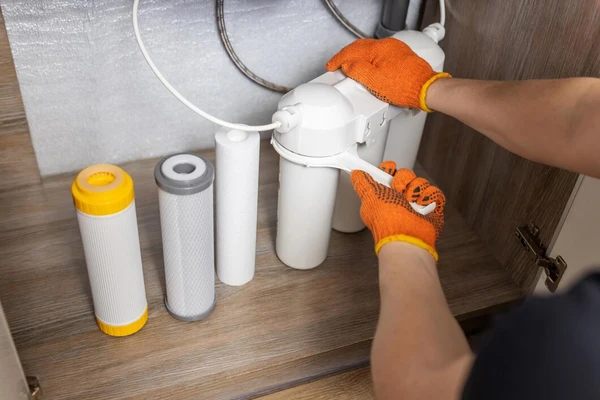
Timely filter replacements help ensure the system continues operating properly. Changing filters at the recommended intervals prevents unnecessary strain and helps maintain consistent results.
Many homeowners delay replacements because the system still appears to be working. But visible operation does not always mean the equipment is performing at its best.
Why Regular System Checks Matter
A water system is made up of multiple components that work together. Even if one small part starts developing a problem, it can affect the entire setup.
Professional system checks allow technicians to review the equipment, identify potential issues, and confirm that everything is operating correctly.
During these inspections, professionals may check connections, test performance, examine filters, and look for signs of wear. These checks are especially valuable because some problems are difficult for homeowners to notice.
Preventive inspections are usually faster and more affordable than emergency repairs. Finding a small issue early can help avoid bigger disruptions later.
Protecting Your Home’s Water Quality
The main purpose of any treatment system is to improve and protect your home’s water. Whether the concern is hardness, unpleasant odors, sediment, or other unwanted elements, proper maintenance plays an important role.
Maintaining good water quality requires more than installing equipment and forgetting about it. The system must continue working effectively over time.
Changes in water taste, smell, appearance, or pressure can sometimes indicate that maintenance is needed. These signs should not be ignored because they may suggest reduced system performance.
By paying attention to changes and scheduling service when necessary, homeowners can continue enjoying cleaner and more reliable water.
Common Mistakes Homeowners Make With Water Systems
One of the most common mistakes is assuming that a new system does not require attention. Even modern equipment needs regular care.
Another mistake is waiting until a serious problem appears before contacting a professional. A sudden drop in water quality or system failure can create inconvenience and may require more expensive solutions.
Some homeowners also choose replacement parts based only on price. While saving money is understandable, low-quality components may not provide the same reliability or performance.
Following manufacturer recommendations and working with knowledgeable professionals is usually the best approach.
Creating a Simple Maintenance Routine
A maintenance routine doesn’t need to feel overwhelming. A few simple habits can help homeowners stay ahead of problems.
Start by keeping track of filter replacement dates and service visits. Pay attention to any changes in water performance. If something seems different, investigate instead of waiting.
It can also help to keep basic records of repairs and upgrades. This information makes future maintenance easier and helps technicians understand the history of your system.
Consistency is the key. Small efforts performed regularly are much more effective than waiting for a major issue.
The Long-Term Benefits of Proper Care
A well-maintained water system provides more than convenience. It can help protect plumbing fixtures, improve appliance efficiency, and create a more comfortable home environment.
Regular maintenance may also extend the lifespan of your equipment. Since water treatment systems can represent a significant investment, protecting them makes financial sense.
Homeowners often notice the benefits in everyday moments — better tasting drinking water, cleaner fixtures, and fewer concerns about system problems.
These improvements may seem small individually, but together they create a noticeable difference in daily life.
Final Thoughts
Your home’s water system plays an important role in your family’s comfort and routine. Keeping it in good condition doesn’t require complicated effort, but it does require attention.
Replacing filters on time, scheduling inspections, and responding to changes quickly can help maintain reliable performance for years.
The best maintenance approach is not waiting for problems to appear. It is creating simple habits that protect your system before issues begin. With proper care, your water treatment equipment can continue working quietly and effectively in the background — exactly the way it should.