Clean water is one of those things you don’t think much about until something seems off. Maybe the water tastes strange. Perhaps there’s a faint chlorine smell, stubborn scale around the faucets, or cloudy water after a heavy rain. Whatever the issue, a good water filtration system can make a noticeable difference in everyday life.
But choosing a system isn’t simply about finding the most expensive filter or the one with the longest list of features. Your home’s plumbing, water source, household size, and specific water concerns all matter. A system that works beautifully for one family may be completely unnecessary—or poorly suited—for another.
Understanding what to look for before installation can save money, reduce maintenance headaches, and, more importantly, help you get water treatment that actually solves the problem.
Start by Understanding Your Water
Before buying any filtration equipment, figure out what’s actually in your water. Municipal water and private well water can have very different characteristics, and even two homes in the same neighborhood may experience different issues.
A professional water test is often the smartest first step. It can identify concerns such as chlorine, sediment, hardness, iron, sulfur, heavy metals, or other contaminants. Taste and appearance can offer clues, but they’re not reliable ways to judge water quality on their own.
Once you know what you’re dealing with, choosing a treatment method becomes much easier. For example, activated carbon can be useful for improving taste and reducing chlorine, while reverse osmosis is designed for more extensive purification at the point of use. A water softener, meanwhile, addresses hardness rather than acting as a general-purpose filter.
In other words, don’t treat every water problem like the same problem.
Think About Where the System Will Go
Water filtration equipment needs a practical home, and this is where many homeowners overlook the basics. Before installation, consider the available installation space around your main water line, utility area, basement, garage, or wherever the equipment is expected to sit.
Some systems are compact and can fit neatly beneath a kitchen sink. Whole-house systems are larger and may require enough room for multiple tanks, filter housings, valves, and connections. There should also be enough clearance to replace filters or service the equipment later.
It sounds obvious, but accessibility matters. A system squeezed into an awkward corner might look fine on installation day and become a nuisance six months later when a filter needs changing.
It’s worth thinking beyond the initial setup. Leave room for maintenance, keep the equipment protected from unnecessary moisture or extreme temperatures, and make sure shut-off valves can be reached without moving half the garage around.
Don’t Forget Drain and Plumbing Connections
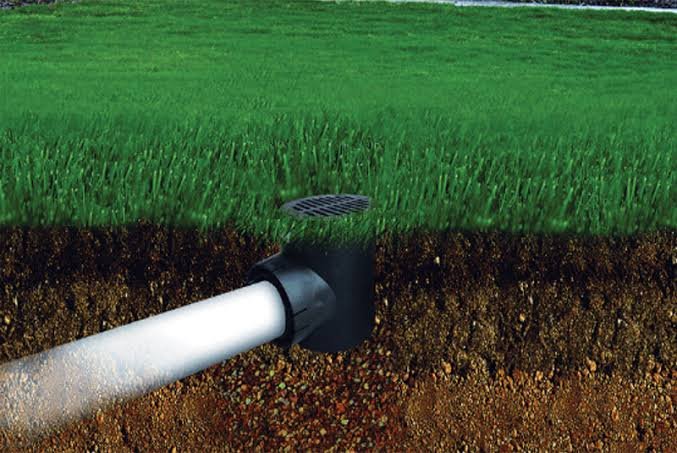
Certain filtration systems need a proper wastewater connection. Reverse osmosis systems, for instance, typically send some water to the drain during the purification process.
That’s why drain access should be considered before choosing the equipment. Under-sink installations can usually connect to an appropriate drain line, but the exact plumbing arrangement varies from home to home.
Whole-house treatment systems can have different drainage requirements, particularly when automatic backwashing is involved. If the system needs to discharge a significant amount of water, the existing drain may need to be evaluated to ensure it can handle the flow.
This isn’t really a glamorous part of water treatment. Nobody gets excited about drain lines. Still, it’s one of those details that can make the difference between a clean installation and a frustrating one.
A qualified installer can inspect the plumbing layout and determine whether modifications are necessary before the equipment arrives.
Choose Between Whole-House and Point-of-Use Filtration
Another important decision is whether you want to treat water throughout the home or focus on drinking and cooking water.
A whole-house filtration system treats water as it enters the property. This means filtered water can reach showers, sinks, appliances, and other fixtures. It’s particularly useful when the concern affects the overall household water supply, such as sediment, chlorine, or certain odors.
Point-of-use systems take a more targeted approach. An under-sink reverse osmosis unit, for example, can provide highly treated water at one faucet without requiring a larger whole-house installation.
Neither option is automatically better. It depends on what you need.
If your primary goal is better drinking water, a point-of-use system may be enough. If you’re dealing with widespread water quality problems, whole-home treatment may make more sense.
Consider Your Household’s Water Usage
A filtration system should match the way your household actually uses water.
A family of six with several bathrooms, frequent laundry, and high daily water consumption has different needs from someone living alone in a small apartment. System capacity, flow rate, filter life, and regeneration cycles can all become important.
Installing an undersized system may lead to reduced water pressure or filters that require frequent replacement. Going too far in the other direction can mean paying for equipment and capacity you rarely use.
Think about peak usage, too. If someone is showering while the washing machine is running and another person is filling a bathtub, the system needs to handle that demand without becoming a bottleneck.
A good installer should look at your household’s habits, not just the size of the plumbing pipe.
Look Beyond the Most Obvious Water Problems
Sometimes homeowners focus on one complaint—say, bad taste—while overlooking additional water quality concerns that aren’t immediately noticeable.
This is another reason testing matters. Water can look perfectly clear and still contain substances you wouldn’t want in your drinking supply. Likewise, hard water may not pose the same concern as a microbial issue, but it can contribute to mineral buildup, appliance problems, and dry-feeling skin.
The right treatment strategy should be based on measured water conditions rather than assumptions.
For homes using private wells, periodic testing is particularly important because groundwater conditions can change over time. Seasonal changes, nearby agricultural activity, plumbing changes, and other environmental factors may affect what’s present in the water.
Maintenance Is Part of the Purchase
A filtration system isn’t a “set it and forget it” appliance.
Filters need replacement. Tanks and valves may require inspection. Some systems need salt replenishment or periodic sanitation. Ignoring maintenance can reduce performance and, in some cases, create new water quality problems.
Before purchasing, ask how often components need servicing and what replacement parts cost. A system that seems inexpensive initially may become costly if it requires frequent proprietary filters.
Also consider who will handle maintenance. Some homeowners are perfectly comfortable changing filters themselves. Others would rather have a professional take care of everything. There’s no wrong answer—just make sure the system fits your comfort level.
Professional Installation Can Be Worth It
Water filtration connects directly to your home’s plumbing, so installation quality matters. Incorrect connections, inadequate drainage, poor placement, or improper pressure settings can cause problems that aren’t always obvious immediately.
Professional installation can help ensure the system is correctly sized, securely connected, and positioned for future service. A knowledgeable technician can also spot plumbing limitations that aren’t obvious from a product specification sheet.
That doesn’t mean every homeowner needs a complicated professional setup. Some basic filters are straightforward to install. But when you’re dealing with whole-home equipment, reverse osmosis, well water, or multiple treatment stages, professional guidance is often money well spent.
Make the Decision Based on Your Home, Not Hype
There are plenty of impressive-looking filtration systems on the market. Some have smart monitoring, multiple treatment stages, elaborate controls, and sleek designs. Those features can be useful, but technology alone shouldn’t drive the decision.
Start with your water test. Look at your plumbing. Consider your household’s usage, maintenance expectations, installation area, and budget. Then choose the treatment method that addresses the actual problem.
The best water filtration system isn’t necessarily the biggest or most advanced one. It’s the system that quietly does its job every day, fits your home properly, and gives you confidence in the water coming from your tap.
And honestly, that’s what most homeowners want in the end: water that tastes clean, works well throughout the house, and doesn’t leave them wondering what might be lurking in the glass.