Water is one of those things we expect to work without thinking. We turn on the faucet, fill a glass, wash our hands, or start the dishwasher, assuming everything is just fine. But when the water begins tasting unusual, leaves stubborn stains, or starts affecting appliances, it quickly reminds us how important it really is.
The challenge is that water quality isn’t the same everywhere. Even neighboring homes or businesses can experience completely different conditions depending on groundwater, plumbing materials, municipal infrastructure, or well characteristics. That’s why choosing the right water treatment system isn’t about finding the most expensive equipment—it’s about finding the right solution for your specific situation.
Once people understand that, improving water quality becomes much less confusing.
Every Property Has Unique Water Conditions
Many homeowners assume that if a filtration system worked well for a friend or neighbor, it’ll automatically solve their own water concerns. That’s understandable, but water rarely works that way.
A private well may contain elevated iron or sulfur, while another home only struggles with hard water. Municipal water often contains chlorine for disinfection, yet older plumbing can introduce additional particles before the water reaches the tap.
Because every water source has its own chemistry, treatment should begin with understanding what’s actually present rather than guessing.
That simple step often prevents unnecessary spending and delivers much better long-term results.
Why Personalized Water Treatment Matters
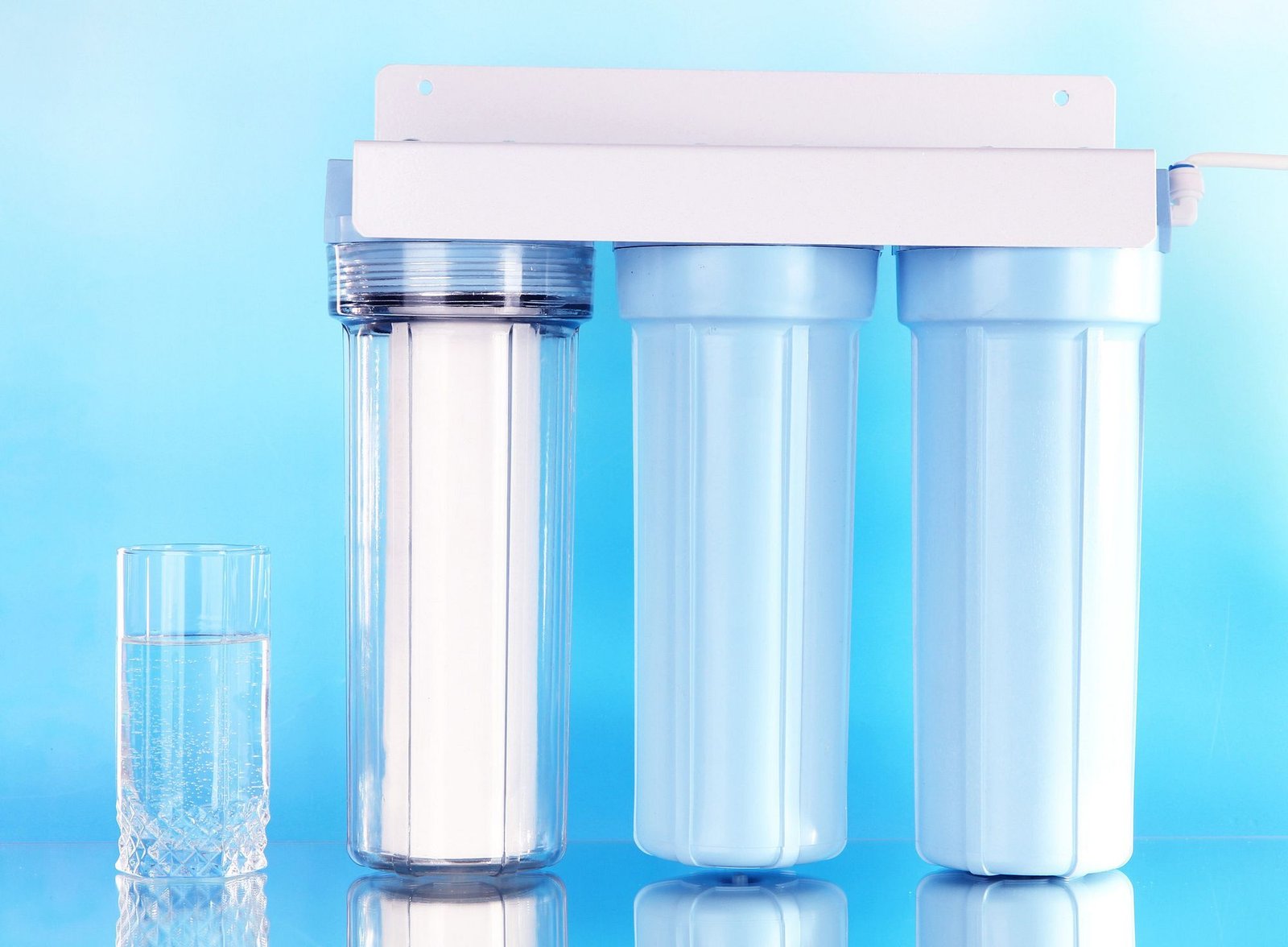
No single filter removes every possible contaminant. Water softeners reduce hardness minerals, carbon filters improve taste and odor, reverse osmosis systems target dissolved contaminants, while sediment filters capture suspended particles.
Combining the right technologies creates customized water systems that address the exact challenges found in a particular home or commercial property.
Instead of paying for equipment you don’t need, personalized treatment focuses only on solving real problems. The result is better performance, greater efficiency, and a system designed specifically around your water rather than someone else’s.
Experience Still Matters
Modern filtration technology has improved dramatically over the years, but choosing equipment still requires expertise.
A knowledgeable certified water specialist doesn’t simply recommend products—they evaluate water chemistry, household usage, plumbing conditions, and long-term maintenance requirements before suggesting a treatment plan.
This professional approach helps homeowners avoid common mistakes, such as installing the wrong filtration system or treating symptoms instead of underlying causes.
Sometimes the most valuable part of water treatment isn’t the equipment itself. It’s having someone correctly identify the problem in the first place.
Commercial Water Demands Greater Precision
Businesses rely on water in ways many people never consider.
Restaurants prepare meals and beverages. Hotels serve hundreds of guests daily. Manufacturing facilities depend on consistent water quality for production. Healthcare organizations require dependable sanitation and specialized equipment performance.
Meeting these demands often requires detailed commercial filtration specs that account for water volume, flow rates, contaminant levels, equipment protection, and industry-specific requirements.
Unlike residential systems, commercial installations must balance performance, efficiency, reliability, and operational costs simultaneously.
A properly designed commercial system helps protect equipment while minimizing interruptions to daily business operations.
Water Quality Affects More Than Drinking
When people think about filtration, drinking water usually comes to mind first.
Yet water touches nearly every part of a building. Dishwashers, water heaters, boilers, washing machines, plumbing fixtures, coffee makers, ice machines, and cooling equipment all depend on water quality.
Hard water creates scale. Sediment clogs valves and fixtures. Chlorine influences taste and odor. Iron leaves stains that seem impossible to remove.
Improving water quality often results in cleaner dishes, brighter laundry, longer-lasting appliances, and reduced maintenance throughout the property.
Many of these benefits happen gradually, making them easy to appreciate without drawing much attention to themselves.
Water Testing Removes the Guesswork
Buying filtration equipment without testing the water first is a little like purchasing prescription glasses without having an eye exam.
You might get lucky—but chances are you’ll spend money without solving the actual problem.
Professional testing identifies hardness, pH levels, iron, chlorine, sediment, dissolved solids, and other important characteristics that influence treatment decisions.
Once those results are available, selecting appropriate equipment becomes far simpler and significantly more accurate.
It’s a small investment that often prevents much larger expenses later.
Maintenance Protects Your Investment
Even the highest-quality water treatment equipment needs occasional care.
Filter cartridges eventually become saturated. Water softeners require routine servicing. Reverse osmosis membranes wear over time, while specialized filtration media gradually lose effectiveness.
Fortunately, maintenance schedules are usually straightforward and help keep systems operating efficiently for years.
Ignoring maintenance doesn’t necessarily cause immediate failure, but it can slowly reduce filtration performance and increase operating costs.
Like servicing a heating system or changing the oil in a vehicle, regular attention extends the life of the equipment.
Long-Term Value Goes Beyond Equipment Costs
Many homeowners compare water treatment systems based only on purchase price.
While initial cost certainly matters, the true value often appears over time. Reduced appliance repairs, improved energy efficiency, lower maintenance expenses, cleaner plumbing, and greater household comfort all contribute to the return on investment.
Businesses experience similar advantages through reduced downtime, improved operational consistency, and longer equipment lifespan.
When viewed over several years instead of several weeks, quality water treatment frequently proves far more economical than repeated repairs and temporary fixes.
Better Water Supports Better Living
Water quietly influences almost every part of daily life, whether you’re preparing meals, doing laundry, taking a shower, or simply filling a glass from the kitchen faucet. Because it’s always there, it’s easy to forget how much its quality matters until something changes.
The good news is that most water concerns can be solved with the right combination of testing, expert guidance, and equipment selected specifically for your property’s needs. Rather than relying on generic solutions, taking a personalized approach helps ensure cleaner water, healthier plumbing, more efficient appliances, and greater confidence every time you turn on the tap.
In the end, better water isn’t just about filtration. It’s about creating a home or business where the little things work exactly the way they should—day after day, year after year.