Water Is Personal, Even If We Don’t Think About It That Way
Most people don’t spend much time thinking about water. It’s simply there when needed. We turn on a faucet, fill a coffee pot, start the dishwasher, or take a shower without giving it a second thought.
That tends to change when something feels off.
Maybe the water has a strange taste. Perhaps dishes come out looking cloudy, or soap never seems to rinse completely. Sometimes it’s a lingering odor, staining around fixtures, or a growing concern about what’s actually flowing through the pipes.
The interesting thing about water is that it affects daily life in countless ways, yet it often stays unnoticed until a problem appears.
Once that happens, homeowners start asking questions. And honestly, that’s usually the right place to begin.
Every Home Has a Different Water Story
One of the biggest misconceptions about water treatment is the belief that one solution works for everyone.
In reality, water conditions vary dramatically from one property to another.
A home supplied by a private well may face completely different challenges than one connected to a municipal water system. Even neighboring houses can experience differences due to plumbing materials, local geology, water usage patterns, or seasonal changes.
That’s why recommendations based solely on a friend’s experience don’t always translate into success.
Water is local. In many ways, it’s personal too.
The more you understand about your specific water source, the easier it becomes to make smart decisions about treatment and maintenance.
The Small Signs Often Mean More Than We Realize
Water problems rarely arrive with flashing warning lights.
Instead, they tend to show up in subtle ways. Glassware develops spots. Fixtures become harder to clean. Laundry loses some of its softness. Appliances require more attention than they used to.
Because these issues often develop gradually, many homeowners simply adapt to them.
It’s a little like living near a train track. At first, every passing train gets your attention. After a while, it becomes background noise.
Water issues can follow the same pattern.
People learn to live with inconveniences that may actually have practical solutions.
Why Water Testing Is Worth the Effort
When homeowners notice water-related concerns, there’s a natural temptation to jump straight into buying equipment.
Sometimes that works.
Other times, it leads to frustration and wasted money.
The challenge is that similar symptoms can stem from completely different causes. Water that smells unusual may require one treatment approach, while staining or mineral deposits may require another.
Testing removes the guesswork.
Instead of relying on assumptions, homeowners gain a clearer understanding of what’s happening in their water supply. That information helps ensure that treatment decisions are based on facts rather than trial and error.
And that’s a much better foundation for long-term success.
The Value of Customized Solutions
Water treatment works best when it’s designed around the actual conditions present in a home.
Rather than installing generic equipment and hoping for the best, customized systems are built around specific water characteristics and household needs. A family dealing with hard water has different priorities than someone managing sediment or odor concerns.
By matching treatment technologies to the water itself, homeowners often achieve better results while avoiding unnecessary complexity.
It’s a more thoughtful approach, and in many cases, a more cost-effective one as well.
Technology Has Changed the Industry
Modern water treatment is far more advanced than many people realize.
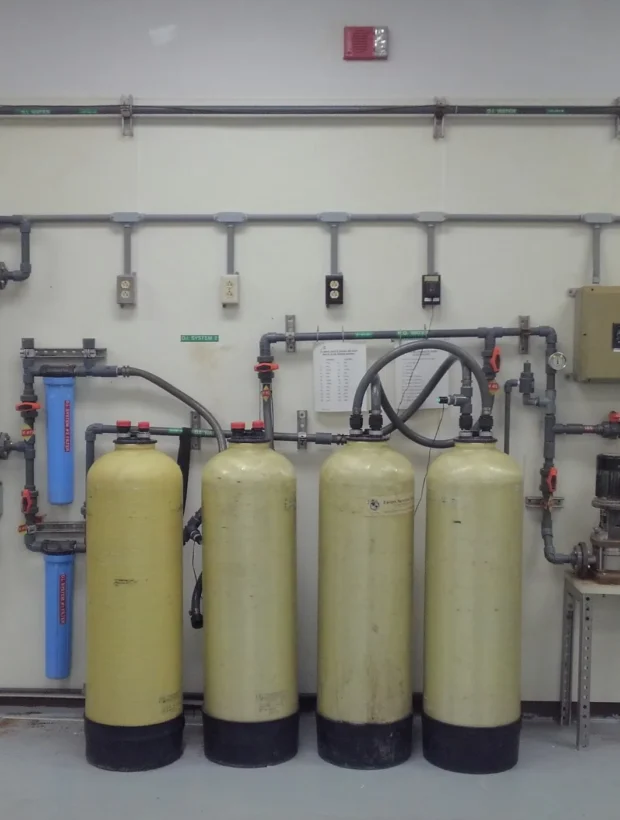
Today’s systems can address a wide range of concerns, from mineral content and sediment to taste, odor, and other water-quality challenges. Many solutions are designed to operate efficiently while requiring relatively little day-to-day attention.
What’s especially encouraging is that treatment no longer feels like a one-size-fits-all industry.
Technology has made it possible to create more targeted, effective systems that address real-world concerns without overcomplicating the process.
That’s good news for homeowners who simply want dependable water without turning maintenance into a full-time hobby.
Why Installation Matters More Than Equipment Alone
People often focus entirely on the equipment itself.
That’s understandable. After all, treatment systems tend to receive most of the attention.
However, even high-quality equipment can struggle if it’s installed incorrectly. Proper sizing, plumbing integration, system placement, and calibration all influence performance.
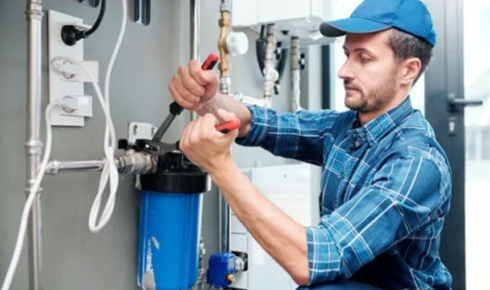
Experienced technicians understand how systems interact with household plumbing and can identify potential issues before they become larger problems.
In many cases, installation quality plays a significant role in determining whether a system performs reliably for years or becomes a source of ongoing frustration.
Water Treatment Isn’t a One-Time Event
One thing homeowners sometimes overlook is that water conditions can change over time.
Seasonal fluctuations, environmental factors, changes in water usage, and natural shifts within groundwater sources can all influence water quality.
Because of this, treatment should be viewed as an ongoing process rather than a one-time purchase.
Routine inspections, maintenance visits, and periodic testing help ensure that treatment systems continue operating effectively. They also allow potential concerns to be identified before they turn into larger problems.
Preventive care tends to be much easier—and often less expensive—than emergency repairs.
Looking Beyond Immediate Benefits
Many people invest in water treatment because they’re trying to solve a specific problem.
Maybe it’s staining. Maybe it’s hard water. Maybe it’s a taste or odor concern.
What often surprises homeowners is how many additional benefits they notice along the way.
Appliances may operate more efficiently. Cleaning routines become easier. Fixtures stay cleaner for longer periods. Laundry feels softer. Water simply becomes less of a daily concern.
These improvements may seem small individually, but together they can significantly improve household comfort.
Sometimes the best upgrades are the ones that quietly make life easier every day.
Final Thoughts
Water is one of the most important resources in any home, yet it’s frequently overlooked until something goes wrong. When problems arise, it’s tempting to search for quick fixes, but lasting results usually come from understanding the water itself.
Testing, thoughtful planning, quality equipment, and proper maintenance all play important roles in creating a reliable water treatment strategy.
The good news is that modern solutions offer more flexibility and effectiveness than ever before. Whether you’re addressing a specific concern or simply looking to improve overall water quality, the right approach can make a meaningful difference.
At the end of the day, good water should feel effortless. It should support daily routines quietly and consistently, allowing homeowners to focus on life rather than worrying about what’s coming out of the faucet.