Better Water and Ice Can Quietly Shape the Way Customers Experience a Business
Most customers do not walk into a business thinking about water quality. They notice the lighting, the greeting at the door, the smell of food, the…
Most customers do not walk into a business thinking about water quality. They notice the lighting, the greeting at the door, the smell of food, the cleanliness of the counter, maybe the music playing softly in the background. Water is not usually on their mind.
But it is there, everywhere.
It is in the ice dropping into a glass. It is in the coffee, the tea, the fountain drinks, the soup stock, the dishwashing area, the mop bucket, the laundry room, the guest bathroom, and sometimes even the equipment keeping the business running. If the water tastes odd, smells strange, leaves scale behind, clouds up glassware, or affects ice quality, customers may not know the exact reason. Still, they feel the difference.
That is why water treatment is not just a back-room maintenance issue. For businesses that serve people every day, it can be part of the customer experience.
The Little Details Customers Remember
A guest may not say, “Your water filtration seems poor.” That would be oddly specific. But they might notice cloudy ice in a drink. They might taste chlorine in a glass of water. They might see spots on silverware or streaks on glassware. They may drink coffee that tastes flat and assume the beans are the problem.
In reality, water quality could be playing a quiet role.
For restaurants and bars, water touches almost every part of service. It affects ice, cocktails, coffee, tea, soda, steamers, dishwashers, and cleaning routines. A good menu and skilled staff matter, of course, but poor water can still drag down the final impression in small, frustrating ways.
Ice Is More Important Than People Think
Ice seems simple, but it is not invisible to customers. It sits right in the glass, often touching the drink before the first sip. If it is cloudy, smells unpleasant, or melts into a strange taste, the whole drink suffers.
Clean, fresh ice starts with good incoming water. Minerals can create cloudiness. Chlorine can leave a chemical taste. Sediment can affect appearance and equipment performance. Hardness can build scale inside ice machines, making them work harder and need more maintenance.
For busy commercial settings, this matters a lot. A broken ice machine during peak hours is not a small inconvenience. It can slow service, frustrate staff, and affect sales. Better filtration helps protect both the ice quality and the machine making it.
Hospitality Runs on Consistency
Guests expect comfort when they stay somewhere. They want clean bathrooms, fresh towels, good coffee, clear ice, pleasant showers, and no strange smell from the tap. Most of these expectations involve water in some way.
For hotels and resorts, water quality can affect guest rooms, restaurants, laundry facilities, pools, spas, kitchens, and ice machines. A guest may forgive a small delay at check-in, but a bad shower or poor-tasting water tends to stick in the memory.
Hard water can leave spots on fixtures and glass. It can make towels feel less soft after repeated washing. Scale can affect boilers, water heaters, and laundry equipment. Better water treatment helps create a more consistent guest experience, while also supporting the behind-the-scenes systems that keep hospitality operations moving.
Commercial Equipment Needs Protection Too
Water-using equipment is not cheap. Ice machines, dishwashers, steam ovens, coffee machines, boilers, water heaters, and laundry systems all depend on water quality. When the water is full of minerals, sediment, or chemicals that do not suit the equipment, maintenance problems can start showing up.
Scale buildup is one of the biggest concerns. It can reduce efficiency, slow performance, and shorten equipment life. Sediment can clog small parts. Chlorine can affect taste and, in some cases, interact with materials in ways that are not ideal over time.
Treating water before it enters equipment is usually smarter than waiting for breakdowns. It is not glamorous, but it is practical. And in business, practical decisions often save the most money.
Food Service Depends on Water Every Day
In food service operations, water is not just used for drinking. It is part of food preparation, cleaning, sanitising, steam cooking, beverage service, dishwashing, and ice production. That means water quality can influence both the final product and the daily workflow.
A café may need better water for espresso and cold brew. A commercial kitchen may need protection for steamers and dish machines. A catering business may rely on clean-tasting ice and consistent beverage preparation. Even small improvements in water quality can make daily work smoother.
Staff notice too. When dishwashers perform better, fixtures stay cleaner, and machines need fewer service calls, the whole operation feels less stressful. Good water does not solve every business problem, but it removes one unnecessary source of friction.
Testing Comes Before the Right Solution
Not every business needs the same water treatment system. That is where some owners go wrong. They buy a filter because it sounds good, but it may not address the real issue.
A proper water test helps identify hardness, chlorine, sediment, iron, dissolved solids, pH balance, and other concerns. From there, a system can be chosen based on actual conditions, not guesswork.
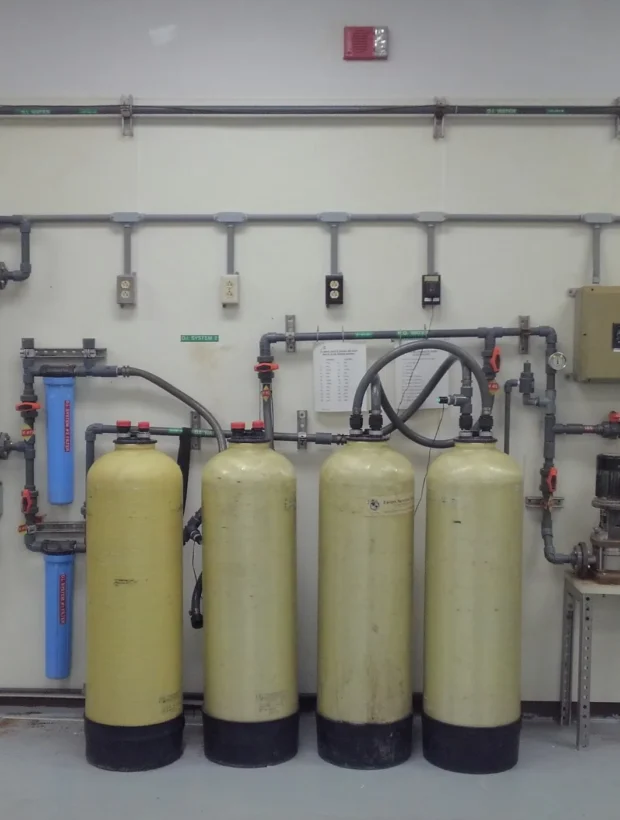
Some businesses may need carbon filtration for taste and odour. Others may need softening to control scale. Some may need sediment filtration before water reaches sensitive equipment. Larger facilities may need a layered approach.
Better Water Is a Quiet Business Advantage
Customers may never compliment the water system directly. But they do notice clean glasses, fresh ice, better-tasting drinks, spotless fixtures, softer towels, and reliable service. These details create trust, even when they are not talked about.
Behind the scenes, better water can reduce maintenance pressure, protect equipment, improve efficiency, and help staff deliver consistent results. It is not the loudest investment a business can make, but it can be one of the most useful.
In the end, water quality is about more than what comes from the tap. It is about the experience built around it — the drink served cold, the room cleaned well, the equipment running smoothly, and the customer leaving with a better impression than they expected.