Why Commercial Water Filtration Is Becoming a Smart Investment for Modern Businesses
Water is one of those things most businesses don’t think much about until something goes wrong. Maybe employees start complaining about the taste, customers notice cloudy…
Water is one of those things most businesses don’t think much about until something goes wrong. Maybe employees start complaining about the taste, customers notice cloudy ice cubes, or expensive equipment begins showing signs of mineral buildup. Suddenly, water quality becomes everyone’s concern.
The truth is, every commercial property depends on reliable water, whether it’s a restaurant serving hundreds of meals, a manufacturing facility running production lines, a healthcare clinic focused on hygiene, or a hotel welcoming guests around the clock. Clean, properly treated water supports daily operations in ways many people never fully appreciate.
That’s exactly why more organisations are investing in professional water filtration systems rather than relying solely on municipal treatment.
Water Quality Affects More Than Drinking Water
Many people assume water filtration is only about producing better-tasting drinking water. While that’s certainly one benefit, the impact reaches much further.
Hard water can shorten the lifespan of coffee machines, boilers, dishwashers, steam equipment, and plumbing fixtures. Chlorine may affect flavour in food preparation, while sediment can gradually reduce equipment efficiency over time.
Businesses that use large amounts of water every day often discover that improving water quality also improves operational reliability.
It’s one of those behind-the-scenes upgrades that quietly supports nearly every department.
Every Business Has Different Water Needs
There isn’t a universal filtration solution because every industry faces different challenges.
Restaurants often focus on improving beverage quality and protecting kitchen equipment. Hotels want consistent guest experiences across showers, ice machines, and drinking water. Manufacturing facilities may require specialised filtration depending on production requirements, while healthcare environments demand strict water quality standards.
That variety explains why commercial water filtration systems are typically designed around the specific needs of each facility rather than using a one-size-fits-all approach.
A proper water analysis usually provides the starting point for selecting the right solution.
Choosing the Right Type of Filtration
Modern water treatment technology has evolved considerably over the past decade.
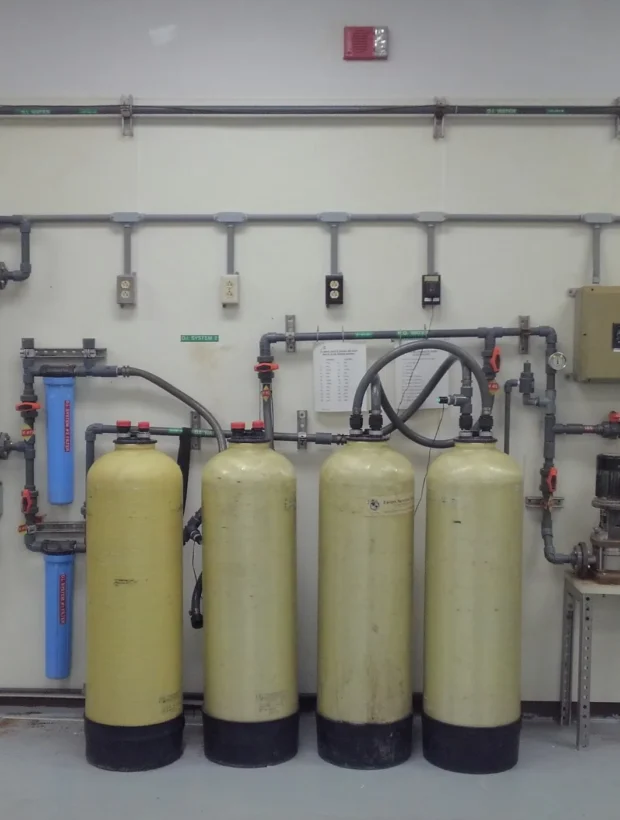
Depending on the water source and local conditions, systems may combine sediment filtration, activated carbon, reverse osmosis, ultraviolet disinfection, water softening, or specialised media designed to reduce specific contaminants.
The goal isn’t always to remove everything from the water. Instead, it’s about addressing the issues that actually affect your business.
High-quality commercial water filters are selected based on measurable water characteristics rather than assumptions, helping businesses solve problems more efficiently without paying for unnecessary equipment.
That customised approach generally produces better long-term results.
Equipment Lasts Longer with Better Water
Commercial equipment isn’t cheap.
Coffee machines, ice makers, steam ovens, cooling towers, boilers, washing equipment, and industrial machinery all depend on water quality to perform efficiently.
Mineral deposits gradually reduce efficiency by insulating heating elements, clogging internal components, and restricting water flow. Over time, this leads to increased maintenance costs and earlier equipment replacement.
Businesses that improve water quality often notice fewer unexpected repairs alongside lower maintenance expenses.
While filtration requires an initial investment, protecting expensive equipment frequently delivers substantial savings over the life of the system.
Better Water Creates Better Customer Experiences
Customers may never ask about your filtration system.
They simply notice when coffee tastes fresh, ice cubes appear crystal clear, dishes come out spotless, or showers leave a better impression during a hotel stay.
Small improvements in water quality quietly influence overall customer satisfaction without drawing attention to themselves.
Restaurants especially benefit because water directly affects beverages, soups, sauces, baking, and food preparation. Even subtle flavour improvements can enhance the overall dining experience.
It’s one of those invisible details that helps businesses stand apart.
Sustainability Is Becoming Part of the Conversation
Many companies are actively searching for practical ways to reduce environmental impact without disrupting operations.
Modern commercial water treatment solutions often support those sustainability goals by reducing bottled water consumption, extending equipment life, lowering chemical usage, and improving water efficiency.
Some facilities also reduce wastewater generation through more efficient treatment technologies and better equipment performance.
Sustainability doesn’t always require dramatic operational changes. Sometimes it’s simply about making existing systems work smarter.
That’s often where water treatment provides measurable environmental benefits.
Maintenance Is Simpler Than Many Businesses Expect
One common misconception is that commercial filtration systems require constant attention.
In reality, most professionally installed systems follow predictable maintenance schedules based on water usage and filter capacity.
Routine service typically involves filter replacement, equipment inspection, sanitisation where appropriate, and periodic performance testing.
Many newer systems also include monitoring technology that alerts operators when maintenance is approaching rather than waiting until performance declines.
Working with experienced service providers helps ensure everything continues operating efficiently throughout the year.
Like most commercial equipment, regular preventative maintenance usually proves far less expensive than emergency repairs.
Planning for Long-Term Value
When evaluating water treatment systems, focusing only on purchase price rarely tells the full story.
Operating costs, maintenance requirements, equipment protection, employee satisfaction, customer experience, and utility savings all contribute to the overall return on investment.
Businesses with high daily water consumption often recover installation costs faster than expected through reduced repairs and improved operational efficiency.
More importantly, reliable water quality provides consistency.
That consistency becomes especially valuable in industries where customer expectations remain high every single day.
Questions Worth Asking Before Installation
Before selecting any commercial filtration solution, it helps to evaluate a few practical factors.
What contaminants are present in your local water supply? How much water does the facility consume daily? Which equipment depends most heavily on water quality? Are there concerns involving hard water, chlorine, sediment, or specialised contaminants?
Professional water testing provides objective answers rather than relying on guesswork.
Once those results are available, filtration equipment can be matched to actual conditions instead of generic recommendations.
That customised approach usually leads to better performance and fewer surprises later.
Final Thoughts
Water touches nearly every aspect of commercial operations, even when people rarely stop to think about it.
From protecting valuable equipment and improving product quality to creating better customer experiences and reducing long-term maintenance costs, investing in professional water filtration often delivers benefits that extend well beyond cleaner drinking water.
The best systems don’t call attention to themselves. They simply provide consistent, reliable performance day after day, allowing businesses to focus on serving customers instead of solving water-related problems.
In the end, that’s really the value of a well-designed commercial water filtration system—it quietly supports everything else happening inside the business, making daily operations smoother, more efficient, and a little more dependable.