A Better Water System Can Quietly Change the Way Your Home Feels
Most homeowners don’t think about their water system until something starts going wrong. That’s just how home life works, really. The faucet turns on, the shower…
Most homeowners don’t think about their water system until something starts going wrong. That’s just how home life works, really. The faucet turns on, the shower runs, the washing machine fills, the coffee brews, and everyone carries on with the day. Water is expected to behave itself.
Then, little things begin to show up. The dishes have spots even after a full wash cycle. The shower leaves your skin feeling tight. The water tastes a bit flat, maybe even slightly chemical. The faucet develops that chalky buildup again, and you find yourself scrubbing the same areas every week like it’s some kind of household punishment.
These small signs don’t always mean there’s a major crisis. But they often mean your water could be better. And when the right system is chosen and installed properly, the improvement can be surprisingly noticeable.
Water Problems Rarely Announce Themselves Loudly
Poor water quality has a sneaky way of blending into daily life. A bit of scale here, a strange smell there, cloudy glasses, dull laundry, dry hair. At first, most people blame the soap, the dishwasher, the cleaning product, or the old pipes. Sometimes they’re right. Sometimes the water itself is the real reason.
Hardness minerals can leave buildup on fixtures and inside appliances. Chlorine can affect taste and odor. Sediment may clog faucet screens or make water look less clear. Iron can stain sinks and laundry. And if the home relies on well water, the list of possible concerns can be even longer.
The trouble is, guessing doesn’t help much. You might buy a filter that improves taste but does nothing for hardness. Or install a softener when the main concern is sediment. A good water solution starts with understanding what’s actually in the water.
Why Professional Testing Matters
A proper water test gives homeowners a clear starting point. Instead of relying on what the water looks, smells, or tastes like, testing shows the details behind the symptoms. It can identify hardness, chlorine, iron, sediment, pH concerns, and other issues depending on the water source.
That’s where expert technicians make a real difference. They don’t just test and leave you with a confusing set of numbers. Good technicians explain what the results mean in normal language and connect those results to the things you’re seeing around the home.
For example, if your showerhead keeps clogging, they may look at hardness or sediment. If coffee tastes odd, chlorine or other taste-related factors might be involved. If stains keep returning, iron or mineral content could be part of the story. This kind of practical explanation helps homeowners make smarter decisions without feeling overwhelmed.
Choosing the Right System for the Home
Not every house needs the same kind of water treatment. A small home with municipal water may need something completely different from a larger household using a private well. Daily water use, plumbing setup, family size, appliances, and personal preferences all matter.
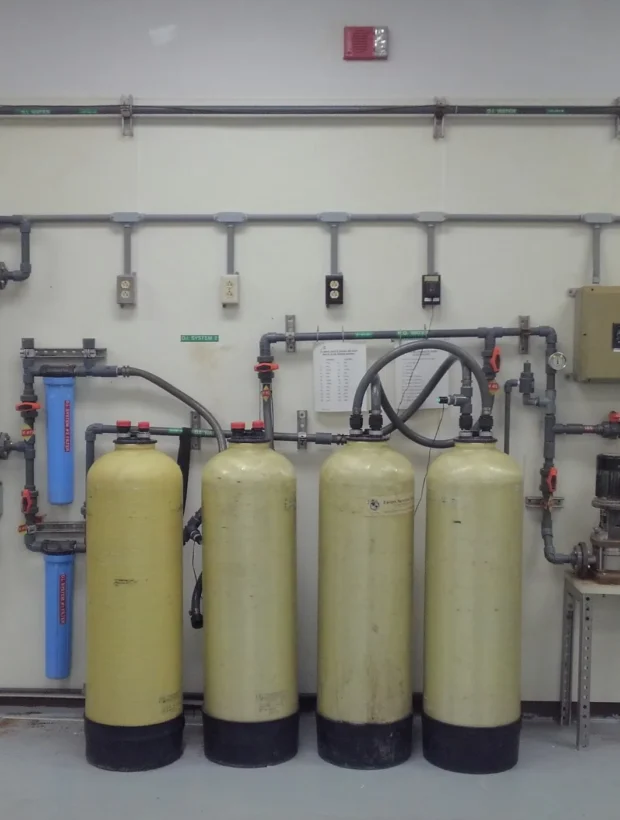
Some homes benefit from a water softener to reduce hardness. Others need a whole-home filter for taste, odor, sediment, or chlorine. Some families choose reverse osmosis for cleaner drinking water at the kitchen sink. In many cases, the best answer is a carefully matched combination, not one single product trying to solve everything.
This is why the recommendation should be based on the home, not just a sales brochure. The right system should solve the actual issue, fit the household’s water use, and make sense for long-term maintenance.
Installation Is More Important Than People Realize
Buying a quality water system is only part of the process. The setup matters just as much. Even a good system can underperform if it is placed poorly, connected incorrectly, or sized wrong for the home’s needs.
A seamless installation means the equipment is fitted cleanly, tested properly, and explained clearly before the technician leaves. It should not feel messy, rushed, or confusing. Homeowners should know where the system is, what it does, when it needs attention, and what changes they can expect.
Good installation also protects the home. Clean connections, correct pressure, proper drainage, and easy access for future service all matter. Nobody wants a water system that creates new problems while trying to solve old ones.
Modern Equipment Makes Water Treatment Easier
Water treatment has come a long way from bulky, awkward systems that were hard to understand. Today’s modern water systems are often more efficient, more compact, and better designed for real households. Many are built to use water, salt, or filters more wisely, depending on the type of equipment.
Some systems are designed to regenerate based on actual water use rather than a fixed schedule. Some filters are easier to replace. Some setups can be tailored to specific water concerns instead of taking a broad, one-size-fits-all approach. The goal is simple: better water with less hassle.
Of course, modern does not automatically mean better for every home. The system still needs to match the test results and household needs. But when the right equipment is selected, it can make daily water use feel much more dependable.
Better Water Shows Up in Small Daily Ways
The benefits of improved water quality are often practical rather than dramatic. Soap rinses more cleanly. Showers feel better. Coffee tastes fresher. Dishes come out clearer. Laundry feels softer. Faucets and shower doors may stay cleaner longer. Appliances don’t have to work as hard against minerals or sediment.
These are not flashy improvements, but they matter. A home is made up of routines, and water is part of nearly all of them. When the water improves, those routines become easier without much effort.
Maintenance Keeps the Results Consistent
Even the best system needs care. Filters must be replaced. Softeners need salt. Settings may need adjustment if household water use changes. Equipment should be checked occasionally to make sure everything is working the way it should.
Regular maintenance helps protect the investment and keeps water quality steady over time. It also gives homeowners peace of mind, because small issues can be handled before they become expensive repairs.
A Smarter Way to Improve Home Comfort
Water quality is easy to ignore, but it affects more of the home than most people realize. Testing, proper recommendations, careful installation, and ongoing support all work together to create better results.
Good water should not feel complicated. It should simply make the home feel cleaner, smoother, and more comfortable in the background. And once your water starts doing its job properly, you may not think about it much at all — which is probably the best sign that the system is working exactly as it should.