Good Water at Home Starts With the Right System
Water is one of those everyday things we trust almost without thinking. You turn on the tap, fill a glass, wash vegetables, start the dishwasher, take…
Water is one of those everyday things we trust almost without thinking. You turn on the tap, fill a glass, wash vegetables, start the dishwasher, take a shower, and move on with life. It’s so ordinary that it barely feels worth questioning. But the truth is, water affects more inside a home than many people realize.
It touches your skin, your food, your plumbing, your appliances, your laundry, and even the taste of your morning coffee. When the water is right, everything feels normal. When it isn’t, small problems start showing up. A strange taste. Cloudy glasses. Dry skin after showers. Scale around faucets. A water heater that seems to work harder than it should. Nothing dramatic at first, just those little household annoyances that slowly become part of the routine.
And that’s exactly why better water treatment matters. Not because every home has a crisis hiding in the pipes, but because water quietly shapes daily comfort.
Why Water Quality Deserves Real Attention
Clear water can still have issues. That surprises people sometimes. We tend to judge water by what we can see, smell, or taste, but many water concerns are less obvious. Minerals, sediment, chlorine, iron, bacteria, and other unwanted substances can affect how water behaves in a home.
Some problems are more about comfort. Hard water can leave spots on dishes and scale inside appliances. Chlorine may make water taste sharp or smell unpleasant. Sediment can cause cloudiness or gritty particles. Other concerns, especially with private wells or older plumbing, may need more careful testing.
This is where homeowners start to understand the value of clean safe water. It’s not just about drinking a glass without worry. It’s about knowing the water you use every day is supporting your health, your home, and the systems you depend on.
Small Signs That Something May Be Off
Water problems rarely knock on the door and announce themselves. They usually whisper. You might notice soap doesn’t lather properly. The showerhead sprays unevenly. White marks return on the faucet no matter how often you clean. The washing machine leaves clothes feeling a bit stiff. Maybe the ice tastes odd, or the kettle collects buildup faster than expected.
These signs can be easy to dismiss. People blame the detergent, the dishwasher, the old showerhead, or the cleaning product. And sometimes those things are part of it. But often, the water itself is involved.
The frustrating part is that surface cleaning only helps for a while. If hard water or sediment keeps coming through the pipes, the same stains and buildup will keep coming back. It’s a bit like wiping dust off a table while the window is still open during a windy day.
The Role of Water Testing
Before choosing any treatment system, it helps to know what is actually in the water. Guessing can lead to wasted money. A filter that works well for chlorine taste may do very little for hardness. A softener can help with scale, but it may not address sediment or certain contaminants. A reverse osmosis system may be excellent for drinking water, but it may not be necessary for every tap in the house.
Water testing gives direction. It can identify hardness levels, pH balance, chlorine, iron, sediment, dissolved solids, bacteria, or other concerns depending on the test. Once the results are clear, choosing the right solution becomes much easier.
That’s the sensible path: test first, treat second.
Choosing Equipment That Fits the Home
A good water treatment system should match the home’s needs, not just look impressive on paper. Some homes need whole-house filtration. Others may only need a drinking water system under the kitchen sink. A family using well water might need a different setup than a household connected to municipal supply.
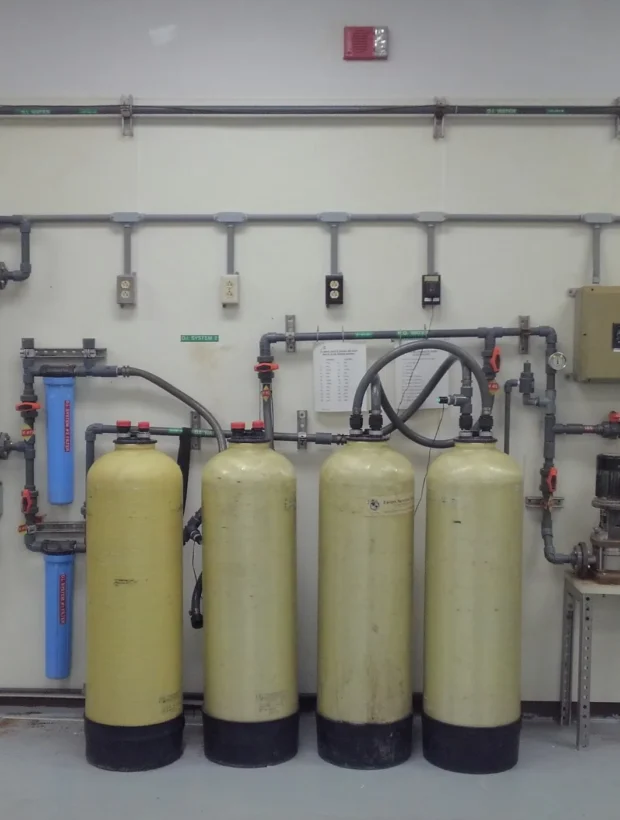
There are many options, and each has a purpose. Sediment filters help remove particles like sand, rust, and dirt. Carbon filters can reduce chlorine taste and odor. Water softeners help with hardness minerals. Reverse osmosis systems are often used for more detailed drinking water filtration. UV systems may be useful where microbial concerns exist.
The point is not to buy the biggest system available. The point is to install reliable equipment that actually solves the problem. A properly selected system can protect appliances, improve taste, reduce buildup, support plumbing, and make daily water use feel noticeably better.
Why Installation Matters More Than People Think
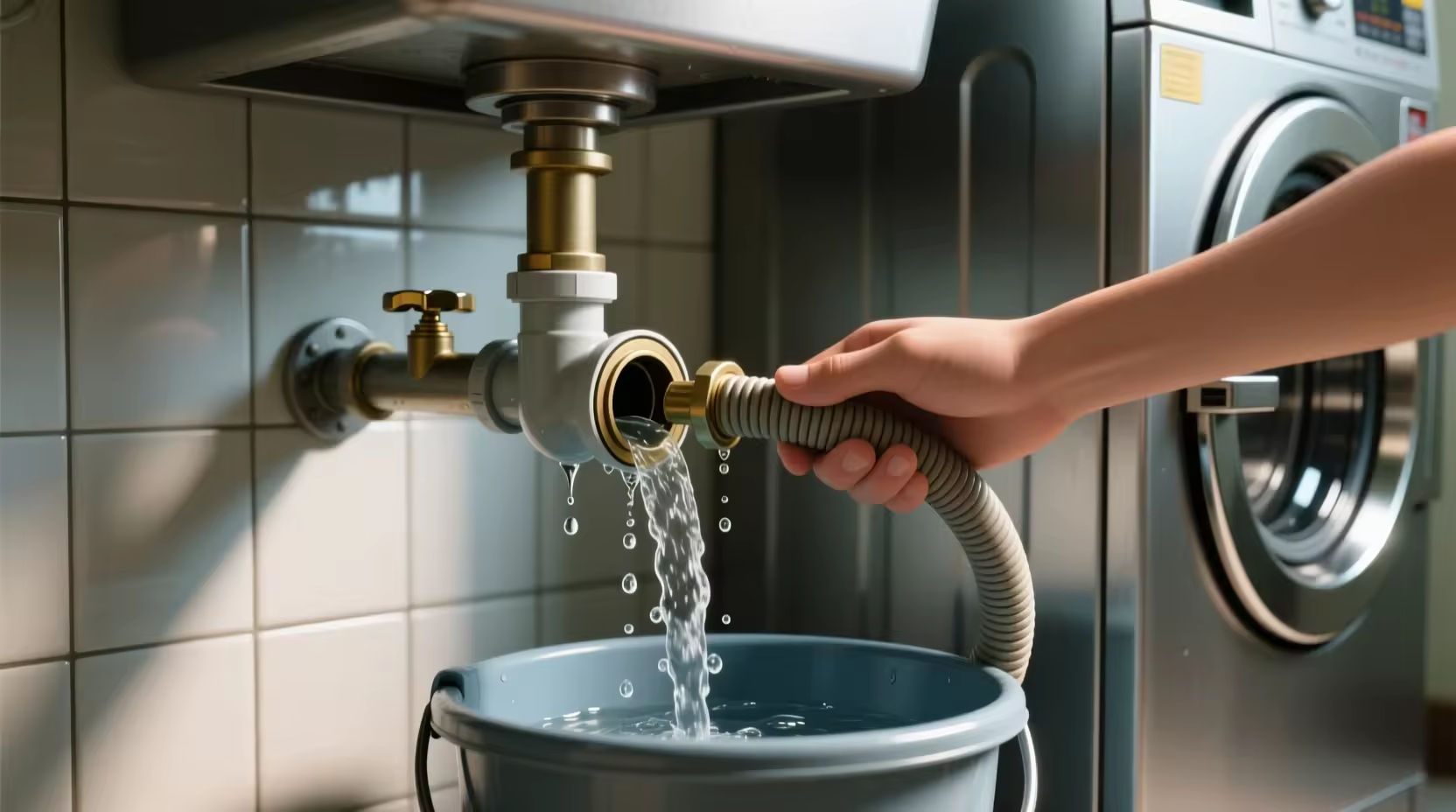
Even a high-quality water system can underperform if it is installed badly. Placement, pipe connections, water pressure, drainage, system sizing, and maintenance access all matter. A system that is too small may struggle to keep up. A poorly connected unit can cause leaks or pressure issues. A filter placed in the wrong location may not protect the areas of the home that need it most.
That’s why professional installation is often worth it. A trained technician can evaluate the home, confirm the right setup, install the system correctly, and explain how to maintain it. It saves guesswork and reduces the risk of problems later.
For homeowners who are not comfortable with plumbing, this is especially important. Water treatment is not something most people want to learn through trial and error while standing next to a leaking pipe.
Maintenance Keeps Everything Working
Installing a water treatment system is not the final step. Like any home equipment, it needs care. Filters must be changed. Softener salt may need checking. UV lamps need replacement on schedule. Reverse osmosis membranes wear out over time.
The good news is that maintenance is usually simple when you know the routine. The mistake is forgetting about it for years and assuming the system is still working perfectly. A neglected filter can reduce water flow. An expired cartridge may stop doing its job. A system that once performed well can slowly lose effectiveness.
A little attention keeps the whole setup dependable.
A Better Home, One Tap at a Time
Water may not be the first thing people think about when improving a home, but it should be high on the list. It affects comfort, health, appliances, plumbing, cleaning, cooking, and the small routines that make up daily life.
Better water doesn’t have to feel complicated. Start with testing. Understand the actual issues. Choose a system that fits the home. Have it installed properly. Keep up with simple maintenance.
That’s it, really. No drama, no overthinking. Just a smarter way to care for the water your family uses every single day. And once the water feels better, tastes better, and works better through the home, you start wondering why you waited so long to pay attention.