Better Water Starts With Knowing What’s Really Coming From the Tap
Water is one of those everyday things we trust almost without thinking. We turn on the tap, fill a glass, rinse vegetables, make coffee, wash the…
Water is one of those everyday things we trust almost without thinking. We turn on the tap, fill a glass, rinse vegetables, make coffee, wash the dishes, and move on with the day. It’s quiet, familiar, and usually taken for granted. Maybe that’s why water problems often surprise people so much. They don’t always arrive with a dramatic colour change or a terrible smell. Sometimes, the first sign is just a strange taste in tea, a stain that keeps coming back, or the feeling that something in the home is not quite right.
The truth is, water can look clean and still carry issues beneath the surface. That does not mean every home has unsafe water, of course. Many systems work well. But when water is used for drinking, cooking, bathing, laundry, and cleaning, it deserves more than a quick glance. A little awareness can prevent a lot of frustration later.
Clear Water Is Not Always Problem-Free
Most people judge water by what they can see. If it is clear, they assume it is fine. It’s a natural reaction. But many common water concerns are invisible. Hard minerals, chlorine, bacteria, sediment, metals, nitrates, and chemical traces may not show up in the glass. Some may change the taste or smell, while others can go unnoticed without testing.
This is why homeowners often search for water treatment solutions only after a problem becomes obvious. Maybe the showerhead clogs every few weeks. Maybe the water heater is wearing out faster than expected. Maybe soap refuses to lather properly, or glasses come out of the dishwasher covered in cloudy marks. These are not always signs of danger, but they are signs that the water may need attention.
Water problems can also vary from one property to another, even within the same neighbourhood. One home may have older pipes. Another may be connected to a private well. Another may have a filter that hasn’t been changed in years. The source matters, but so does the journey water takes before reaching the tap.
Where Water Issues Usually Begin
Water can pick up unwanted materials in several ways. For homes using wells, rainfall, flooding, nearby septic systems, animal waste, farming activity, or damaged well covers can affect the supply. Groundwater changes with seasons too, which means water that seemed fine last year may not be exactly the same today.
City water is treated before it reaches homes, but that does not make every household completely issue-free. Aging pipes, pressure changes, plumbing repairs, old fixtures, and storage tanks can all influence the final quality of water. Sometimes the treatment plant does its job, but the home’s own plumbing adds problems afterward.
There are also nuisance issues that make water unpleasant rather than unsafe. Iron may leave reddish stains. Manganese can cause dark marks. Sulfur may create that rotten-egg smell nobody wants in the kitchen. Hardness can leave scale on taps and inside appliances. Small things, yes, but they slowly become expensive if ignored.
Why Guessing Usually Costs More
One mistake people make is buying a filter before understanding the problem. It’s easy to do. A product looks good online, the reviews sound convincing, and the packaging promises cleaner, fresher water. But water treatment is not one-size-fits-all. A filter that helps with taste may not remove bacteria. A softener may help with hard water but won’t solve every drinking water concern. A sediment filter may catch particles but won’t fix chemical issues.
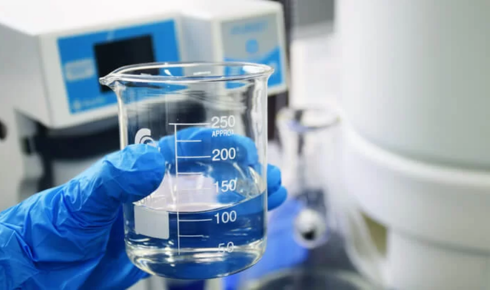
That’s where professional water testing becomes important. Testing gives real information instead of guesswork. It can show whether the issue is hardness, bacteria, metals, pH imbalance, chlorine, nitrates, sediment, or something else entirely. Once the results are clear, the right solution becomes easier to choose.
Good testing can also prevent unnecessary spending. Without it, homeowners may install the wrong system, replace it later, and still not solve the original problem. It’s a bit like changing tyres when the real issue is the engine. You’ve spent money, but the trouble remains.
Small Signs Worth Paying Attention To
Water problems often leave little clues around the house. A metallic taste. Cloudy water that doesn’t clear quickly. Stains in sinks, tubs, or toilets. Dry skin after showering. Scale around taps. A musty smell from one fixture. These signs are easy to ignore, especially when life is busy, but they can tell a useful story.
A sudden change should always get attention. If water has always tasted normal and now tastes earthy, salty, bitter, or chemical-like, it is worth checking. If there has been flooding nearby, plumbing work, a broken pipe, or a long period without system maintenance, testing makes even more sense.
For private well owners, regular testing should be part of normal home care. Unlike municipal water, a private well is usually the homeowner’s responsibility. Nobody automatically checks it every month. That sounds a little annoying, maybe, but it also means the homeowner has control over how carefully the water is monitored.
Choosing the Right System for the Right Problem
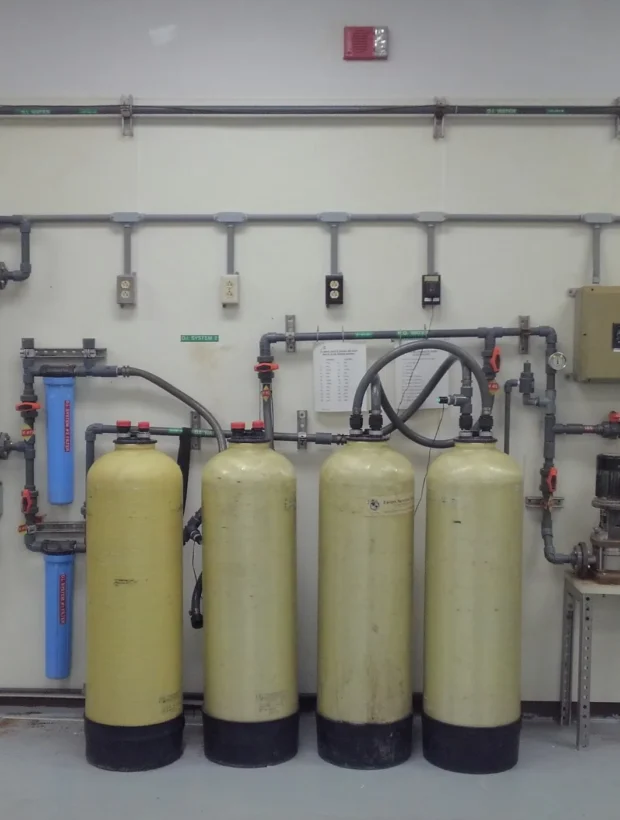
Once the water report is available, treatment can be matched properly. Hard water may need a softener. Sediment may need filtration. Bacteria may require disinfection. Certain drinking water concerns may call for reverse osmosis. Taste and odour issues may improve with carbon filtration. In many homes, a combination of systems works better than a single product.
The goal is not just better-tasting water. It is safer water that supports daily life without constant worry. Families should feel comfortable filling a child’s bottle, cooking soup, making coffee, or brushing their teeth without second-guessing every use.
Maintenance matters too. Even the best system will not work forever without care. Filters need changing. UV lamps lose strength. Softeners need salt. Systems should be checked from time to time, especially if water use is heavy or the source changes seasonally.
A Simple Step Toward a Healthier Home
Water is not glamorous. It doesn’t get the same attention as new flooring, kitchen upgrades, or smart appliances. But it touches nearly everything. It affects health, comfort, cleaning, cooking, plumbing, and the lifespan of household equipment.
Paying attention to water is not about fear. It’s about being practical. If something tastes strange, test it. If stains keep coming back, investigate. If your well has not been checked in years, don’t wait for a problem to announce itself.
Clean, dependable water makes a home feel calmer in a way people don’t always notice until they have it. And sometimes, the smartest improvement is not the most visible one. It’s the quiet confidence of knowing the water you use every day has actually been checked, understood, and treated the right way.