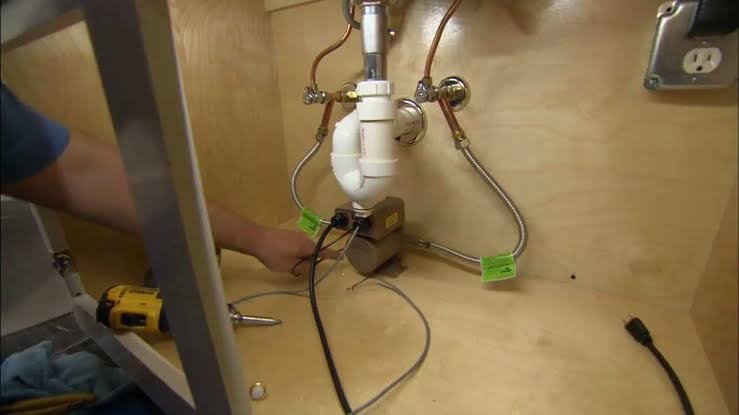
Water treatment equipment is one of those household investments you tend to forget about when everything is working properly. The water feels fine, the softener is quietly doing its thing, and nobody gives much thought to the tank sitting in the garage or utility room.
Then something changes.
Maybe the water starts tasting different. Scale shows up on the showerhead again. The system begins cycling at strange times, or you notice a small leak near a connection. Suddenly, that equipment you barely noticed has your full attention.
The good news is that many problems can be caught early. Regular inspections, sensible maintenance, and qualified repair work can help keep a water treatment system performing reliably for years.
Why Regular Service Matters
Water treatment equipment deals with water, pressure, minerals, and moving components every day. Naturally, parts eventually wear.
Filters become exhausted. Seals can deteriorate. Valves may become sluggish. Connections can loosen. Electronic controls can develop faults.
None of this necessarily means you need a brand-new system.
In many cases, a professional inspection can identify a relatively small problem before it turns into a much more expensive repair. That’s particularly useful when the equipment has otherwise been working well.
A little preventative attention is rarely exciting, but neither is discovering a leak on a Saturday morning.
Repair Needs Vary From Home to Business
A small residential softener doesn’t face the same workload as equipment serving a restaurant, office, apartment building, or manufacturing facility.
That’s why residential and commercial repair requires an understanding of different operating conditions.
At home, a technician might investigate hardness returning to the water, a regeneration problem, unusual noises, or a leaking connection. In a commercial setting, the issue could involve much higher water demand, multiple treatment stages, pressure requirements, or equipment operating for long hours.
The basic principle remains the same: identify the cause before replacing parts.
A good repair isn’t simply about getting a machine running again. It’s about making sure the equipment is capable of handling the job it’s expected to do.
Watch for Small Changes in Water Quality
Your water can tell you quite a bit.
If you suddenly notice a metallic taste, unusual odor, cloudy water, staining, or increased scale, don’t automatically assume it’s harmless.
Changes can sometimes indicate that a filter is exhausted or that treatment equipment isn’t operating correctly.
Hard water may become noticeable through deposits on faucets or glassware. Iron can leave orange or reddish marks. A carbon filter that has reached the end of its useful life may no longer control taste and odor as effectively.
These signs don’t provide a complete diagnosis, but they’re worth paying attention to.
If something has changed, investigate it rather than simply getting used to it.
What a Good Tune-Up Should Include
A professional tune-up should be more than a quick glance at the equipment.
Depending on the system, a technician may inspect connections, valves, tanks, controls, filters, drain lines, pressure, and operating settings.
They may also check whether the equipment is regenerating or cycling correctly.
Some service companies offer tune-up specials at certain times of the year. These can be a convenient way to have equipment inspected before a minor issue becomes a major one.
If you see an advertised special, though, look beyond the headline price. Find out what’s actually included.
A low-cost inspection isn’t much of a bargain if important components aren’t checked.
Why Technician Training Matters
Modern water treatment equipment can be surprisingly sophisticated.
Some systems rely on electronic controls, programmable settings, specialized valves, and multi-stage filtration. A technician who understands how these components interact can often diagnose problems more efficiently.
Someone who is factory-service trained may also have specific knowledge of certain manufacturers’ equipment, troubleshooting procedures, and recommended repair practices.
That doesn’t mean independent technicians are incapable of doing excellent work. Plenty are.
What matters is relevant training and hands-on familiarity with the type of equipment in your home or business.
Before scheduling service, ask whether the technician has experience with your specific system.
Don’t Replace a System Before Checking the Basics
Homeowners sometimes assume that an older water softener or filtration system must be replaced when performance drops.
That’s not necessarily true.
A failed valve, clogged filter, incorrect setting, or damaged seal may be all that’s wrong.
Replacing an entire system without diagnosing the problem can be an unnecessary expense.
On the other hand, repair isn’t always the best answer either. If a system is very old and multiple major components are failing, putting significant money into it may not make financial sense.
A good technician should explain both possibilities.
Ask: “If we repair this, how much useful life can I reasonably expect?”
That’s a much better question than simply asking for the cheapest option.
Maintenance Is Easier When It’s Scheduled
One of the biggest reasons people neglect water treatment equipment is simple forgetfulness.
Life gets busy. Filter replacement dates disappear from the calendar. Salt levels get checked “next weekend,” and next weekend becomes next month.
A basic maintenance schedule can help.
Keep track of filter changes, professional service visits, repairs, and unusual changes in water quality. Set reminders on your phone if necessary.
For businesses, assign responsibility to a specific person or department. If everyone assumes someone else is monitoring the equipment, there’s a good chance nobody is.
Routine attention doesn’t need to be complicated.
Don’t Ignore Leaks or Strange Sounds
Water treatment systems aren’t supposed to make every sound imaginable.
A small amount of operational noise can be normal, but persistent clicking, humming, dripping, or unusual cycling deserves attention.
Leaks are even harder to justify ignoring.
A tiny drip around a fitting might seem harmless, but water can damage cabinets, flooring, walls, or nearby electrical components over time.
If you notice moisture where there shouldn’t be any, investigate promptly.
Sometimes tightening a connection or replacing a worn seal solves the problem. Waiting until the leak becomes obvious can make the repair much more involved.
Choose a Service Provider With Questions in Mind
Don’t be afraid to ask questions before hiring someone.
Find out what the service visit includes. Ask whether diagnostic fees are separate from repair costs. Check whether replacement parts are covered by a warranty and whether the technician will test the system after completing the work.
You should also ask whether the company works with your particular manufacturer and model.
A trustworthy professional won’t make you feel silly for asking. In fact, clear explanations are usually a good sign.
If someone immediately recommends replacing everything without inspecting the equipment, it’s reasonable to get a second opinion.
Good Service Protects More Than Equipment
Water treatment maintenance isn’t just about keeping a machine alive.
Properly functioning equipment can help protect plumbing fixtures, appliances, and the quality of the water you use every day.
More importantly, regular service gives you a better understanding of what’s happening with your system. Instead of waiting for a complete failure, you can make informed decisions about repairs, maintenance, and eventual replacement.
That’s valuable whether you’re maintaining a family home or managing a busy commercial property.
A Few Minutes of Attention Can Save a Lot of Trouble
Water treatment equipment doesn’t need constant attention. It does need the right attention at the right time.
Watch for changes. Follow maintenance recommendations. Replace filters when necessary. Don’t ignore leaks. And when something seems beyond basic upkeep, bring in someone who knows the equipment.
The goal isn’t to spend more money on service. It’s to spend money intelligently, before a manageable problem becomes an expensive one.
When your water treatment system works quietly in the background, you probably won’t think about it at all. And honestly, that’s a pretty good sign that you’ve taken care of it properly.