The Small Household Comfort You Don’t Appreciate Until It’s Gone
There’s something strangely humbling about a cold shower at six in the morning. One second you’re half awake, thinking about emails, breakfast, or whether you remembered…
There’s something strangely humbling about a cold shower at six in the morning.
One second you’re half awake, thinking about emails, breakfast, or whether you remembered to lock the front door the night before. The next, freezing water hits your shoulders and suddenly nothing else matters except getting out alive.
That’s usually the moment people start thinking seriously about their water heater.
The funny thing is, most homeowners rarely notice their hot water system when it’s working properly. It’s just there in the background, quietly supporting daily routines without asking for attention. But the second something changes — low pressure, inconsistent temperatures, strange noises — the entire house feels it immediately.
And honestly, it doesn’t take much disruption before people realize how important reliable hot water actually is.
Daily Life Quietly Depends on Hot Water
When people think about hot water, they usually picture showers first. But it’s woven into so many small parts of daily life that we stop noticing it completely.
Laundry. Dishwashing. Cleaning. Cooking. Washing your hands during winter. Even making tea somehow feels different when the water temperature isn’t consistent.
I remember visiting a friend whose old heater was slowly failing without anyone fully realizing it. Everyone in the family had quietly adjusted their routines around it. Showers had to happen at certain times. Running the dishwasher while someone bathed became risky. Laundry loads were spaced out carefully.
Nobody talked about it much because the system technically still worked.
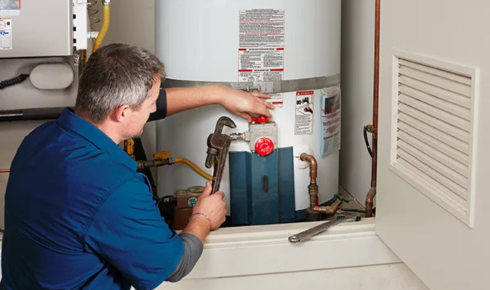
But once they finally replaced the home water heater, the whole house immediately felt easier to live in again.
The Warning Signs Usually Start Small
Most heaters don’t suddenly stop working overnight. Usually, there’s a long stretch of small warning signs first.
The water doesn’t stay hot as long. Strange rumbling noises come from the tank late at night. Utility bills slowly climb. Sometimes the water develops a metallic smell or takes forever to heat after sitting unused for a while.
The problem is that homeowners often normalize those issues gradually.
People adapt faster than they realize. A shorter shower here, waiting longer for dishes there, spacing out laundry loads — eventually inconvenience starts feeling routine.
That’s what makes aging systems tricky. The decline happens slowly enough that people stop noticing how much performance has changed.
Why Water Quality Affects Heater Performance
One thing homeowners rarely connect to heater problems is the condition of the water itself.
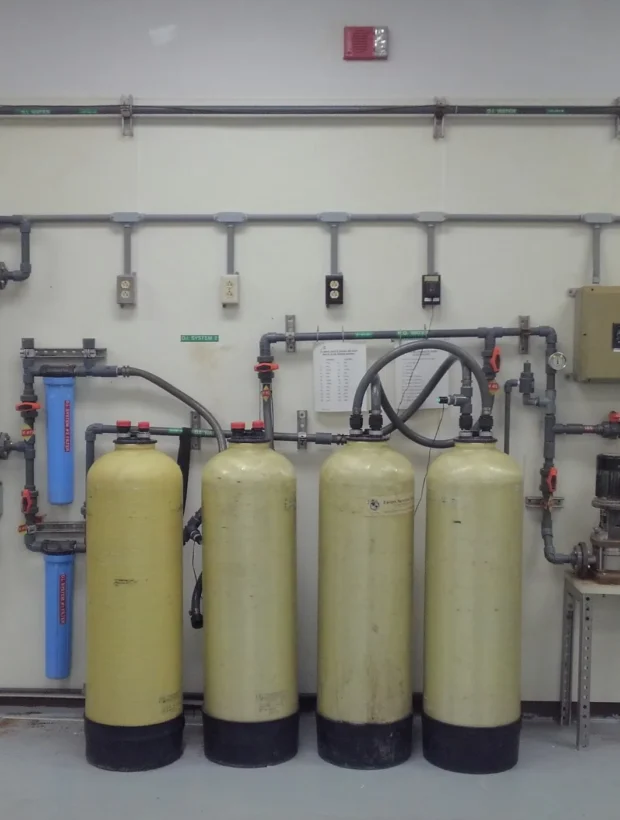
Hard water creates mineral buildup inside tanks and pipes over time. Sediment settles at the bottom of the heater, forcing the unit to work harder just to maintain temperature. Efficiency drops gradually while energy usage often rises.
I once stayed in a rental house where the heater sounded like popcorn exploding inside the utility closet every evening. The owner laughed it off until a technician explained the tank was packed with years of sediment accumulation.
Apparently that noise wasn’t “normal house sounds” after all.
That experience made me realize how quietly water conditions wear systems down behind the scenes.
Modern Systems Feel Different Right Away
A newer hot water system usually improves more than people expect.
The showers recover faster. Water temperature stays stable. Appliances perform better. In many cases, newer systems also operate far more efficiently than older units homeowners have been struggling with for years.
Tankless systems have become especially popular because they provide continuous hot water without storing it inside a large tank. But traditional storage heaters still work beautifully for many homes depending on household size and water usage patterns.
And honestly, the best option isn’t always the fanciest one.
A large family with multiple bathrooms has completely different needs than a smaller household where water demand stays fairly low. That’s why proper sizing and setup matter more than flashy marketing promises.
Maintenance Matters More Than People Think
One reason homeowners end up dealing with sudden heater failure is because water heaters are easy to forget about entirely.
They’re tucked away in garages, closets, or basements where nobody sees them regularly. Out of sight, out of mind.
But simple maintenance makes a huge difference over time.
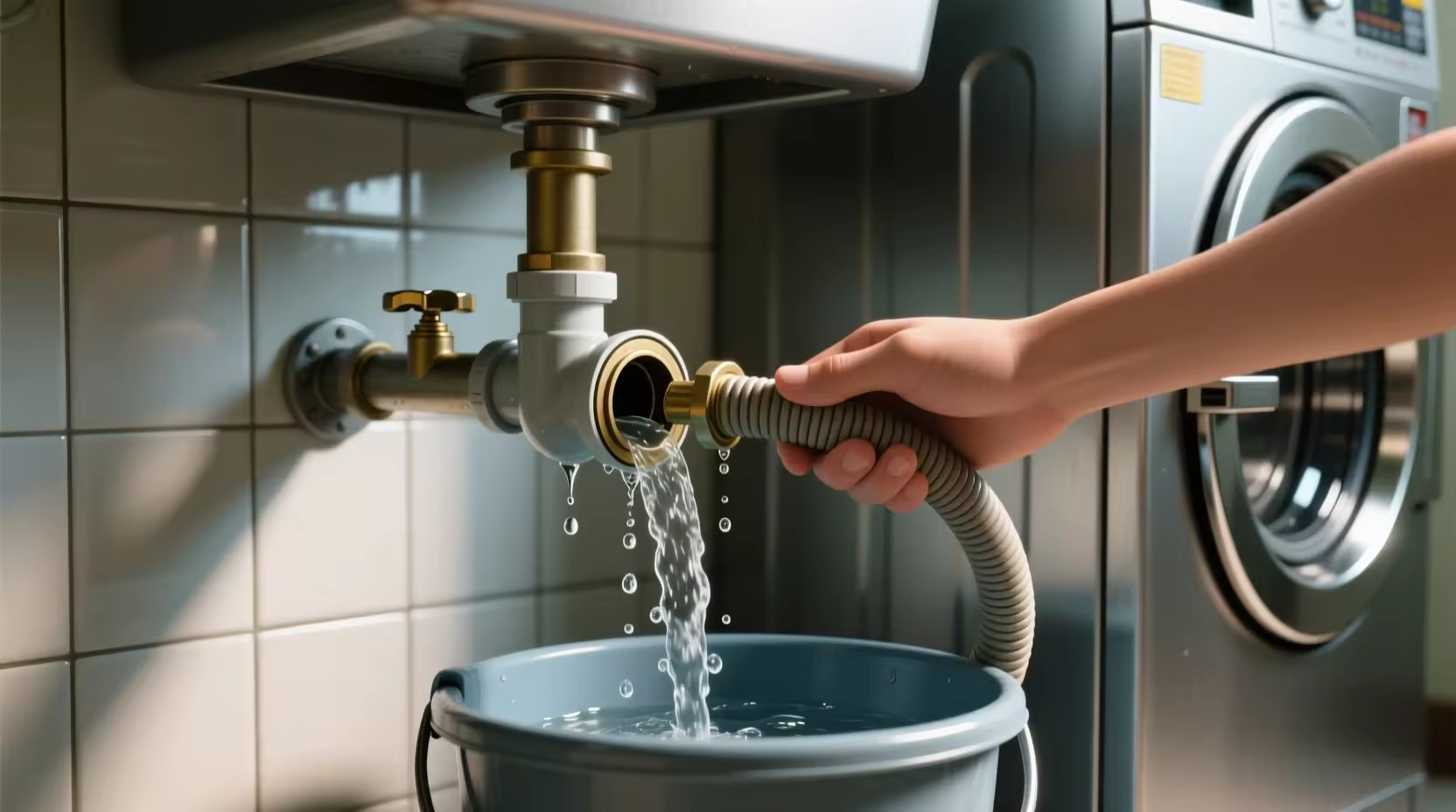
Flushing sediment buildup. Inspecting valves. Replacing aging components before they fail completely. Paying attention to strange sounds instead of ignoring them for years.
Routine water service checks often catch small problems before they become expensive emergencies.
And honestly, few homeowners regret maintenance once they’ve experienced life without reliable hot water for even a couple of days.
Reliable Systems Quietly Reduce Stress
There’s something underrated about a home where systems simply function the way they should.
The shower stays warm. Laundry finishes normally. Guests don’t accidentally use all the hot water before someone else showers. Nobody has to mentally schedule around the dishwasher anymore.
These things sound minor individually, but daily comfort is built from small reliable routines repeated over and over.
That consistency matters more than people realize.
The Best Home Systems Are the Ones Nobody Thinks About
At the end of the day, homeowners don’t actually want to think about their water heater constantly. They just want it to work.
Reliable hot water. Reasonable energy bills. Comfortable showers. A house that quietly supports daily life instead of creating extra stress.
Simple goals, really.
And maybe that’s why replacing or maintaining a water heater feels so worthwhile once it’s done properly. Not because the equipment itself is exciting, but because reliable systems make home feel calm, comfortable, and predictable again.
Sometimes the most valuable home upgrades are the ones nobody notices anymore once they’re working exactly the way they should.