There’s a certain phase in life—usually right after college, maybe your first job, maybe your second—when everything feels temporary. Your city, your routine, even your furniture. You’re figuring things out, one month at a time.
And in that in-between phase, traditional renting often feels… heavy. Long leases, deposits that make your wallet cry, landlords who want references like you’re applying for a government job.
This is exactly where co-living spaces stepped in. Flexible, furnished, community-driven. At least, that’s the promise.
But as the concept grows across cities like Bangalore, Gurgaon, and Pune, a more grounded question is starting to surface—are these spaces actually sustainable for the long run?
What Co-Living Really Offers
At first glance, co-living looks like a dream setup for young professionals.
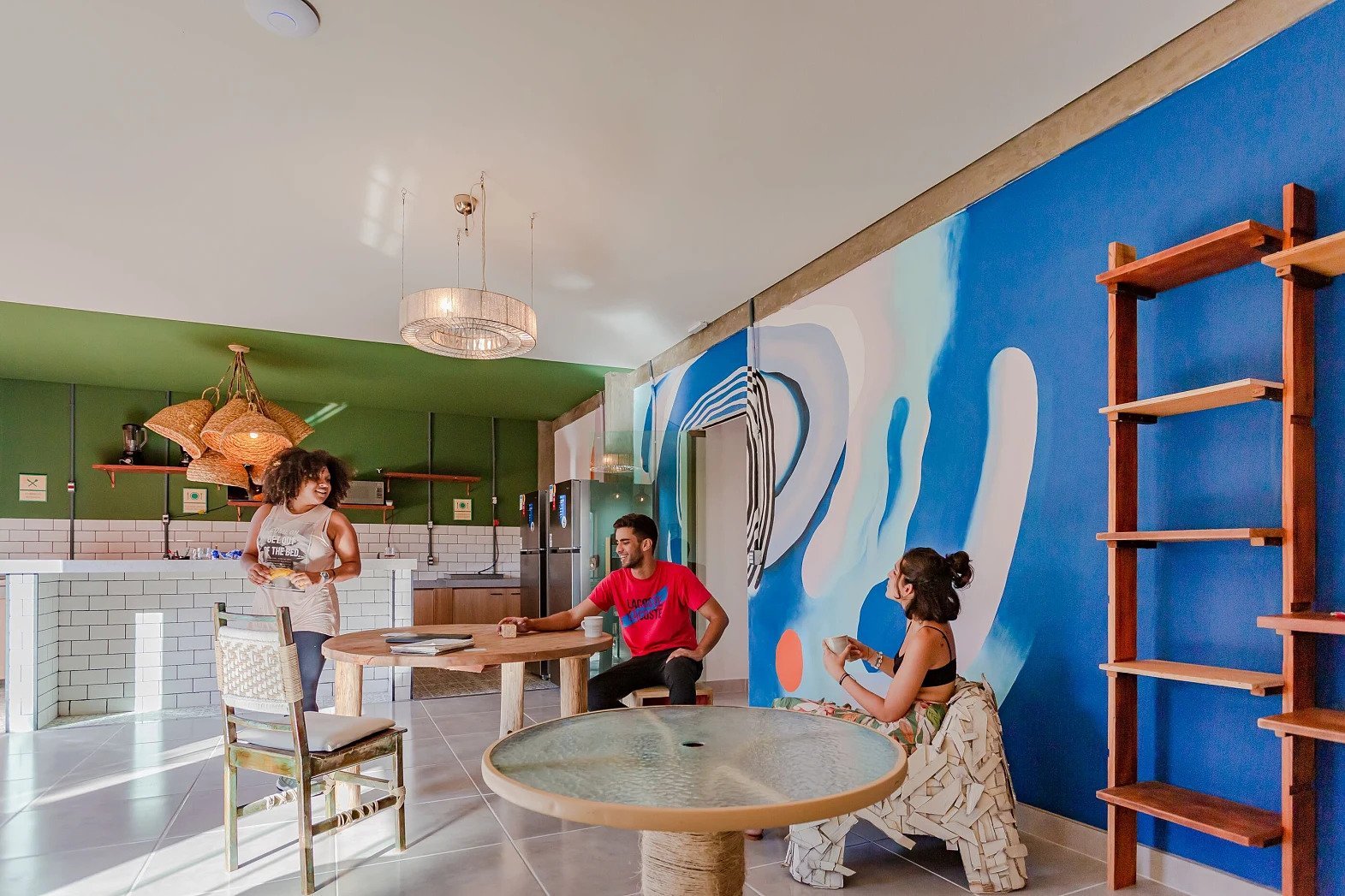
You move in with a suitcase. The bed’s ready, Wi-Fi works (hopefully), cleaning is handled, and there’s usually a community vibe—game nights, shared kitchens, sometimes even networking events.
Companies like Zolo and Stanza Living have built entire ecosystems around this idea.
For Gen Z, especially those moving to new cities for work or studies, it feels less intimidating than living alone.
The Appeal: Flexibility and Social Life
One of the biggest advantages of co-living is flexibility.
No long-term commitments. You can stay for a few months, then move on without the usual rental headaches. For a generation that values experiences over permanence, that’s a big deal.
Then there’s the social angle.
Living with people your age, sharing common spaces—it creates a sense of belonging. In a new city, that can make all the difference. You’re not just renting a room; you’re stepping into a ready-made community.
And honestly, that’s something traditional rentals rarely offer.
The Cost Reality
But here’s where things start to get a bit complicated.
Co-living isn’t always cheaper. In fact, in some areas, it can be more expensive than renting a flat with roommates.
You’re paying for convenience, yes—but also for services, branding, and amenities. Over time, those costs add up.
For someone just starting out, it might feel manageable. But as financial responsibilities grow, the math starts to change.
Privacy: The Silent Trade-Off
There’s another aspect people don’t always talk about—privacy.
Co-living spaces are designed to be shared. Kitchens, lounges, sometimes even bathrooms. While that’s great for interaction, it can feel overwhelming after a while.
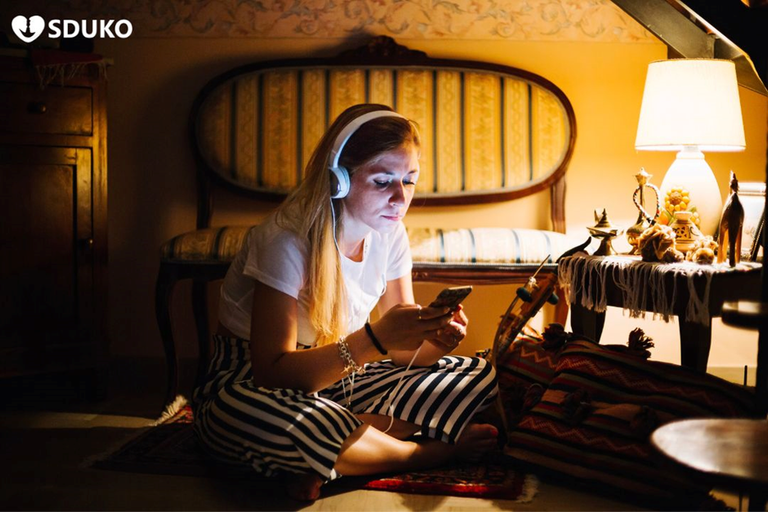
Not everyone wants constant social energy. Some days, you just want your own space, your own silence.
And that’s where the model can start to feel limiting.
The Big Question Everyone Is Asking
With all these pros and cons in play, it’s only natural that people are asking: “Co-living spaces India me Gen Z ke liye long-term solution hain kya?”
The answer isn’t black and white.
For short-term stays, transitions, or early career phases—co-living works really well. It removes friction, reduces stress, and offers a sense of community.
But for the long term? That’s where things get a bit uncertain.
Lifestyle Evolution Over Time
Here’s something worth considering—people change.
What feels exciting at 22 might feel exhausting at 28. Priorities shift. You start valuing stability, privacy, maybe even a quieter environment.
Co-living, by design, caters to a specific phase of life. It thrives on movement—people coming in, people moving out.
Long-term living often demands something more stable, more personal.
The Operational Challenges
From a business perspective, co-living spaces also face their own challenges.
Maintaining quality across properties, handling tenant turnover, ensuring consistent service—it’s not easy. Some companies scale quickly, but struggle to maintain standards.
And when service quality drops, the entire experience takes a hit.
For residents, that can mean dealing with maintenance delays, overcrowded common areas, or inconsistent management.
So, Where Does It Stand?
If you zoom out a little, co-living in India feels less like a permanent solution and more like a transitional one.
It fills a gap—beautifully, in fact—but it doesn’t necessarily replace traditional living setups.
Think of it as a bridge between college hostels and independent homes. A stepping stone, not the final destination.
Final Thoughts
Co-living spaces have definitely changed the way young Indians think about housing. They’ve made moving cities easier, reduced the friction of renting, and added a social layer that was missing before.
But like most things that rise quickly, they come with their own set of trade-offs.
For Gen Z, the real value lies in timing. Knowing when co-living makes sense—and when it’s time to move on.
Because sometimes, the best living arrangement isn’t about what’s trending.
It’s about what fits your life, right now, in this moment.