A Little Care Goes a Long Way With Home Plumbing
There’s something oddly comforting about a home where the water just works. The shower starts strong, the kitchen sink drains without drama, the toilet flushes properly,…
There’s something oddly comforting about a home where the water just works. The shower starts strong, the kitchen sink drains without drama, the toilet flushes properly, and nobody has to stand there wondering, “Is that gurgling sound normal?” Most of us don’t think about plumbing when it’s doing its job. That’s probably fair. Pipes are hidden, drains are boring, and no one wants to spend a Saturday thinking about wastewater lines.
Still, the quiet systems in a home need attention now and then. Not constant attention, thankfully, but enough to catch small problems before they become the kind of messy, expensive thing that ruins a perfectly good week.
Why Clogs Start So Easily
Clogs rarely happen all at once. They build up slowly, usually from ordinary daily habits. A bit of cooking grease goes down the kitchen sink. Hair slips into the shower drain. Soap residue sticks to the pipe walls. Food scraps, toothpaste, lint, and mineral deposits join in over time. Little by little, the open space inside the pipe gets smaller.
The best way to prevent clogs is not by waiting until water stops moving. It’s by being careful with what goes into the drain in the first place. Use sink strainers. Wipe grease into the trash instead of rinsing it away. Clear hair from shower covers. Don’t flush wipes, cotton pads, or paper towels. These small habits may sound almost too simple, but they do a lot of heavy lifting.
The Trouble With Quick Fixes
When a drain slows down, many people reach for a chemical cleaner. It’s understandable. The bottle promises fast results, and nobody wants to deal with standing water in the sink. But those products are not always the best answer. Some are harsh on older pipes, and many only burn a temporary path through the clog rather than clearing the buildup properly.
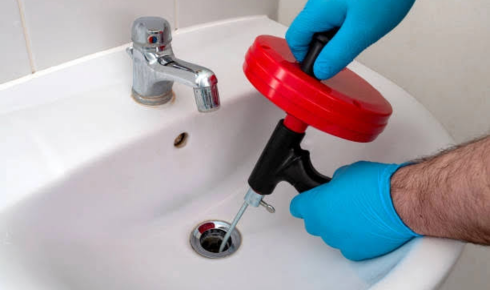
A plunger or drain snake can help with minor blockages, but repeated slow drains usually mean there’s more going on. If the same sink keeps clogging again and again, the problem is probably deeper than a little surface debris.
Cleaning That Actually Helps
Good drain care is about more than making water disappear quickly. Proper efficient cleaning removes buildup in a way that helps the system work better for longer. That might mean mechanical cleaning, hydro jetting in certain cases, or a camera inspection to see what’s actually inside the line.
The useful thing about professional cleaning is that it looks at the cause, not just the symptom. A drain can seem clear after a quick fix, but if grease, roots, or mineral deposits remain inside the pipe, the clog will come back. And usually at the worst possible time, because plumbing problems seem to enjoy bad timing.
Warning Signs Homeowners Should Notice
Plumbing problems often whisper before they shout. A slow drain is one sign. Bad smells from sinks or tubs are another. Gurgling sounds, bubbling toilets, damp spots under cabinets, or water backing up in one fixture when another is used should not be ignored.
If several drains are slow at the same time, that may point to a main line issue. That’s more serious than a simple bathroom clog. Main line trouble can lead to backups, water damage, and a very unpleasant cleanup. Calling for help early is usually cheaper and easier than waiting.
Why Regular Care Matters
Basic plumbing maintenance keeps a home running smoothly and protects more than just the pipes. It helps prevent water damage, protects flooring and cabinets, reduces odors, and gives homeowners peace of mind. It can also extend the life of fixtures, water lines, and drainage systems.
Maintenance doesn’t have to be complicated. Check under sinks every so often. Watch for leaks around toilets and water heaters. Pay attention to changes in water pressure. Schedule inspections if your home is older or if clogs keep returning. These are small steps, but they can save a surprising amount of money over time.
A Practical Way to Think About Your Pipes
A healthy plumbing system is not about perfection. It’s about flow. Water should move in, waste should move out, and everything should happen without noise, smell, or stress. When something changes, your home is usually giving you a clue.
So, treat drains kindly. Don’t use them like trash cans. Be cautious with chemical shortcuts. And when a problem keeps coming back, get it checked properly. Plumbing may not be the most exciting part of owning a home, but when it works well, life feels cleaner, easier, and a whole lot calmer.