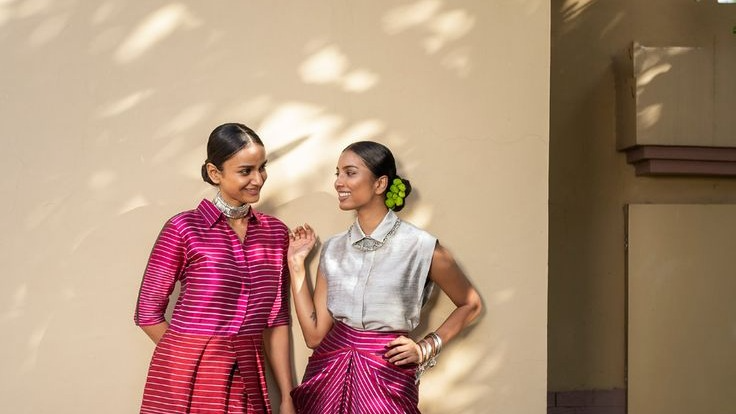
Walk into any modern clothing store or scroll through an online fashion brand, and you’ll likely come across words like “organic cotton,” “bamboo fabric,” or “recycled polyester.” They sound promising, responsible even. But then you look at the price tag… and pause.
Because while the idea of sustainable fashion is appealing, the reality in India often feels like it comes at a premium. And for many people, that’s where the conversation ends.
So what’s really going on here? Why are sustainable fabrics still not easily affordable—and is that about to change anytime soon?
What Makes a Fabric “Sustainable” Anyway?
Before we talk about pricing, it helps to understand what we’re actually paying for.
Sustainable fabrics are designed to reduce environmental impact. That could mean:
- Using less water (like organic cotton)
- Avoiding harmful chemicals
- Recycling materials instead of producing new ones
- Ensuring ethical labor practices
Sounds good, right? But each of these steps adds complexity—and cost—to the production process.
Unlike fast fashion, where speed and scale drive prices down, sustainability tends to slow things down. It asks for better sourcing, cleaner processes, and often smaller production batches.
Why the Price Gap Still Exists
Here’s the uncomfortable truth: sustainable fabrics are expensive because they’re still not mainstream.
In India, the textile industry is massive, but it’s largely optimized for cost efficiency rather than environmental responsibility. Shifting that entire ecosystem takes time—and money.
Organic farming, for instance, yields less cotton compared to conventional methods. Recycling fabrics requires infrastructure that isn’t fully developed yet. And ethical labor practices often mean higher wages, which should be a good thing, but it does reflect in pricing.
All of this adds up.
The Demand Problem (Yes, It’s Real)
Another piece of the puzzle is consumer demand.
While awareness around sustainability is growing, price sensitivity in India remains high. Most shoppers still prioritize affordability over eco-friendliness, especially when budgets are tight.
It’s not that people don’t care—it’s just that practical decisions often win.
And because demand isn’t massive yet, brands can’t scale production enough to reduce costs. It’s a bit of a loop: prices stay high because demand is low, and demand stays low because prices are high.
So When Will It Actually Become Affordable?
This is the question many people are quietly asking: Sustainable fabrics India me affordable kab tak honge?
The honest answer is—gradually, not suddenly.
We’re already seeing small shifts. More brands are experimenting with sustainable lines. Local manufacturers are exploring eco-friendly processes. Even larger fashion companies are starting to incorporate recycled materials into their collections.
As production scales up and technology improves, costs are likely to come down. But it’s not going to happen overnight.
Realistically, we might see noticeable affordability improvements over the next 5 to 10 years.
The Role of Indian Innovation
One thing that’s often overlooked is India’s potential to lead in this space.
We already have a strong textile heritage—handlooms, natural dyes, traditional weaving techniques. Many of these are inherently sustainable, even if they’re not marketed that way.
Startups and designers are now blending these traditional methods with modern innovation. Think plant-based dyes, biodegradable fabrics, or even textiles made from agricultural waste.
If supported properly, these innovations could make sustainable fashion more accessible—and uniquely Indian.
Small Choices That Still Matter
Here’s something worth remembering: you don’t have to overhaul your entire wardrobe to make a difference.
Even small shifts can help:
- Buying fewer, better-quality clothes
- Supporting local artisans
- Choosing natural fabrics when possible
- Reusing and repurposing what you already own
Sustainability isn’t just about what you buy—it’s also about how you use what you have.
Are Brands Doing Enough?
It’s a mixed bag.
Some brands are genuinely trying—being transparent about their processes, sourcing responsibly, and investing in sustainable materials. Others, honestly, are just riding the trend with clever marketing.
As a consumer, it’s getting easier to spot the difference. Certifications, clear labeling, and brand transparency go a long way in building trust.
But there’s still room for improvement. A lot of it.
The Bigger Picture
Sustainable fabrics becoming affordable isn’t just a fashion issue. It’s tied to agriculture, manufacturing, policy, and consumer behavior.
It’s a system-wide shift.
And while that sounds overwhelming, it also means progress is happening in multiple places at once—even if it’s not always visible.
Final Thoughts
Right now, sustainable fabrics in India sit in an interesting space. They’re no longer niche, but not fully mainstream either.
Prices are still higher than most people would like, but the gap is slowly narrowing. Awareness is growing. Innovation is happening. Conversations are becoming more informed.
And maybe that’s how change begins—not with a sudden drop in prices, but with a gradual shift in how we think about what we wear.
Affordable sustainable fashion will come. It’s just taking its time.
Until then, even the smallest conscious choice counts more than we think.