There’s something quietly fascinating about hydrogen fuel cars. Not in a flashy, futuristic way—but more like a slow-burning curiosity. You hear about them every now and then, maybe alongside electric vehicles, maybe as “the next big thing.” But when you actually stop and think about it, especially from an Indian perspective, the question becomes less about hype and more about practicality.
Let’s be honest—India doesn’t just adopt new tech for the sake of it. It adopts what works. What survives rough roads, unpredictable infrastructure, and, of course, price sensitivity.
What Exactly Are Hydrogen Fuel Cars?
At their core, hydrogen cars use fuel cells to generate electricity. Instead of plugging in like EVs, they combine hydrogen with oxygen to produce power—and the only emission is water vapor. Sounds clean, almost too clean.
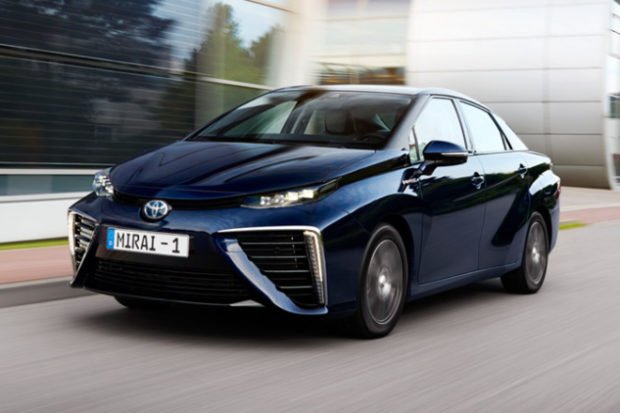
Globally, companies like Toyota and Hyundai have already experimented with models like the Toyota Mirai and Hyundai Nexo. They work, they run smoothly, and they refuel faster than EVs.
But—and this is a big “but”—they operate in ecosystems that are very different from India.
The Reality Check: Infrastructure
Here’s where things start to feel a bit… complicated.
India currently has almost no widespread hydrogen refueling network. Unlike petrol pumps (which are everywhere) or even EV charging stations (which are growing steadily), hydrogen stations are extremely rare. Setting them up is expensive and requires high safety standards.
Even if we assume that government initiatives push hydrogen adoption, building a nationwide network will take time. Probably more than just a few years.
And without infrastructure, even the most advanced car is just a very expensive showpiece.
Cost Factor: The Elephant in the Room
Let’s talk money—because in India, everything eventually comes down to it.
Hydrogen cars are still expensive. Not slightly expensive—very expensive. The cost of producing fuel cells, storing hydrogen safely, and maintaining the system adds up quickly.
Even hydrogen fuel itself isn’t cheap right now. While there’s talk about “green hydrogen” becoming affordable, it’s still in early stages. Until production scales massively, prices will remain high.
That’s why when people ask, “Hydrogen fuel cars India me kitne practical honge next 10 saal me?”, the honest answer isn’t a simple yes or no. It’s more like—maybe, but only for a niche segment.
Where Hydrogen Might Actually Work
Now, here’s the interesting part. Hydrogen might not be ideal for personal cars in India—at least not yet—but it could shine in other areas.
Think heavy vehicles.
- Long-haul trucks
- Buses
- Industrial transport
These vehicles need quick refueling and long range—something hydrogen does better than batteries in many cases. In fact, pilot projects are already being explored for hydrogen-powered buses in India.
For fleet operations, where vehicles run on fixed routes and can rely on centralized refueling stations, hydrogen starts making more sense.
EVs vs Hydrogen: A Silent Competition
Electric vehicles have a clear head start in India. Charging infrastructure is growing, government incentives are strong, and consumers are slowly getting comfortable with EVs.
Hydrogen, on the other hand, feels like it’s still warming up on the sidelines.
EVs are simpler to deploy. You can charge them at home, at work, or even at roadside stations. Hydrogen requires an entirely new ecosystem—production, storage, transport, and dispensing.
That doesn’t mean hydrogen will lose. It just means the race isn’t equal.
Government Push and Future Possibilities
India has already launched the National Hydrogen Mission, which shows serious intent. The focus, however, is more on industrial use and energy storage rather than passenger vehicles—for now.
If green hydrogen becomes cheaper and scalable, things could change dramatically. But that’s a big “if,” dependent on technology, policy, and investment aligning perfectly.
So, What’s the Real Outlook?
If we’re being practical—and maybe a little grounded—hydrogen cars in India over the next 10 years will likely remain limited.
You might see:
- Pilot projects
- Government fleets
- Luxury or experimental vehicles
But widespread adoption? That feels unlikely within a decade.
Still, it’s not a dead end. It’s just a slower path.
Final Thoughts
Hydrogen fuel cars aren’t a bad idea. In fact, they’re quite brilliant in theory. Clean, efficient, and quick to refuel—it’s everything you’d want in a future mobility solution.
But India isn’t just about ideas. It’s about execution, scale, and affordability.
Right now, hydrogen struggles with all three.
Maybe in 15–20 years, the conversation will sound very different. Maybe hydrogen will quietly take over segments we didn’t expect. Or maybe it’ll stay in the background, supporting industries rather than dominating roads.
Either way, it’s worth watching—not with blind optimism, but with a curious, slightly skeptical eye.