When something goes wrong with your home’s water, the problem isn’t always obvious. Maybe the water suddenly tastes different. Perhaps there’s a strange smell, cloudy water, stubborn scale around your faucets, or a filtration system that just doesn’t seem to work like it used to. These issues can be frustrating, especially because water is one of those things we tend to notice only when something feels off.
That’s where choosing the right professional can make a real difference. A dependable water specialist doesn’t simply install equipment and leave. They take time to understand the water coming into your home, the concerns you have, and what kind of solution actually makes sense.
The difference often comes down to experience, attention to detail, and genuine product knowledge. And honestly, those things matter far more than a flashy sales pitch.
Start With the Water, Not the Equipment
It’s tempting to start shopping for a water softener, filter, reverse osmosis system, or whole-home treatment unit as soon as you notice a problem. But buying equipment before understanding the water itself can lead to wasted money.
Water quality varies from one property to another. Two homes on the same street can have surprisingly different issues depending on their plumbing, water source, age, and existing treatment equipment.
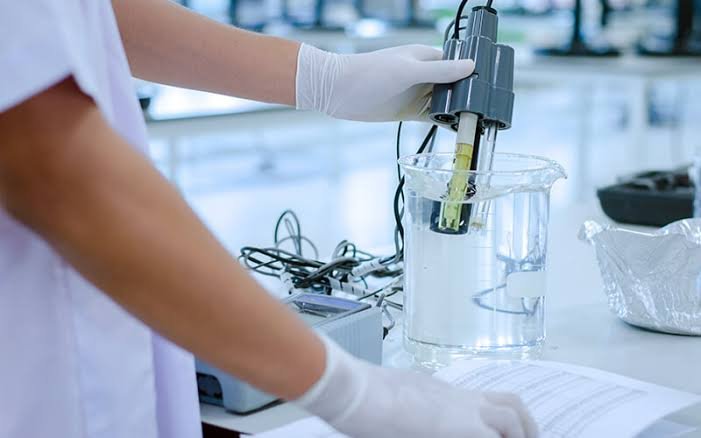
A professional should begin by asking questions and, when appropriate, recommending water testing. Depending on the situation, testing may reveal concerns involving hardness, sediment, chlorine, iron, sulfur odors, or other contaminants.
Once those details are understood, it becomes much easier to identify an appropriate treatment approach. It’s a little like visiting a mechanic because your car is making a strange noise. You’d rather have the problem diagnosed before someone starts replacing parts.
Why Product Knowledge Really Matters
Water treatment equipment can look complicated from the outside. There are different filter types, capacities, technologies, maintenance requirements, and installation configurations. One system might be excellent for reducing sediment but unsuitable for another water concern.
That’s why product knowledge should be one of the first things you look for when choosing a water treatment company. A knowledgeable professional can explain what a system does, what it doesn’t do, how often it needs maintenance, and whether it’s actually appropriate for your household.
Good advice also means being willing to say, “You probably don’t need that.”
That may sound simple, but it’s valuable. A trustworthy specialist should recommend equipment based on the water problem rather than trying to sell the biggest or most expensive system available.
Installation Is Just as Important as the Equipment
Even high-quality water treatment equipment can perform poorly if it isn’t installed correctly.
Water pressure, pipe sizing, drainage, electrical requirements, placement, and existing plumbing all have to be considered. A system may work perfectly in one home but require a different configuration in another.
Professional installation also helps reduce the likelihood of leaks and operational problems later. Connections need to be secure, valves need to be positioned correctly, and the equipment should remain accessible for future servicing.
This is where experienced technicians bring something that online shopping can’t: practical judgment. They’ve seen real homes, awkward plumbing layouts, old pipes, tight utility rooms, and those wonderfully mysterious DIY modifications that make every plumber pause for a second.
Quality of Service Should Continue After Installation
Buying a water system isn’t the end of the relationship. In many cases, it’s the beginning.
Filters need to be replaced. Components may require inspection. Softener systems can need servicing. Changes in water quality might also mean the treatment setup needs to be adjusted over time.
This is why quality of service matters just as much as the equipment itself. A company that answers questions after installation, explains maintenance clearly, and provides dependable support is usually a much better long-term choice than one that disappears once the invoice is paid.
Good service doesn’t have to feel fancy. Sometimes it’s simply getting a call returned when promised or having someone explain a problem without making you feel foolish for asking.
Those small details build trust.
Look for Professionals Who Ask the Right Questions
A good water specialist shouldn’t rush straight into a recommendation.
Instead, they should want to know things such as:
- Where does your water come from?
- Have you noticed changes in taste, odor, or appearance?
- Are there existing filtration or softening systems?
- How many people regularly use the home?
- Are certain fixtures developing scale?
- Is the concern mainly drinking water, household water, or both?
- Has the water been tested recently?
These questions help create a clearer picture of what’s happening.
If someone recommends a system without showing much interest in your actual water conditions, that’s worth considering carefully. A solution should fit the problem, not the other way around.
The Value of Working With Water System Experts
Water treatment is one of those areas where experience can save homeowners a lot of frustration. Qualified water system experts understand that there isn’t necessarily one universal solution for every property.
They can help compare treatment technologies, explain maintenance expectations, evaluate an existing setup, and identify practical ways to improve water quality without turning the project into a massive renovation.
They also understand that homeowners have different priorities. One family might care most about better-tasting drinking water. Another may be tired of scale on shower doors and faucets. Someone else might want protection for appliances and plumbing throughout the house.
The right professional listens first.
Don’t Ignore the Signs of Changing Water Quality
Sometimes people get used to small water problems. A mild sulfur smell becomes “normal.” White deposits around the faucet are accepted as part of owning the house. A filter that should have been replaced months ago keeps running because, well, it still runs.
But changes in water quality shouldn’t automatically be dismissed.
If you notice a persistent change in taste, odor, color, pressure, or appearance, it’s sensible to investigate. A water test can provide useful information and help determine whether treatment is necessary.
Of course, not every unusual water issue requires an expensive system. Sometimes the answer is a simple filter replacement, plumbing repair, cleaning, or adjustment to existing equipment.
That’s another reason professional evaluation can be worthwhile.
Making a Smarter Long-Term Choice
Choosing a water treatment provider isn’t just about finding someone who can install a machine. You’re choosing a company that may become responsible for an important part of your home’s infrastructure.
Look for professionals who are transparent about pricing, explain recommendations clearly, provide realistic maintenance information, and stand behind their work. Reviews and recommendations can help, but don’t overlook the quality of the conversation you have with the company itself.
Do they listen? Do they explain? Do they answer questions directly?
Those things tell you plenty.
At the end of the day, better water isn’t necessarily about owning the most advanced equipment on the market. It’s about understanding what your home actually needs and having the right people help you get there.
A thoughtful water professional won’t just focus on selling a system. They’ll focus on solving a problem. And when it comes to something your family uses every single day, that difference is worth paying attention to.