It’s funny how we tend to notice water only when something goes wrong. Maybe the coffee starts tasting a little different, the shower doesn’t feel quite as refreshing, or those stubborn white spots begin showing up on freshly washed glasses again. Until then, most of us assume our water treatment system is quietly doing its job—and, hopefully, it is.
Like any hardworking piece of equipment in a home, though, a water treatment system needs occasional attention. It doesn’t ask for much. A few routine maintenance tasks performed at the right time can keep everything running efficiently for years while helping you avoid unexpected repair bills or declining water quality.
The truth is, regular maintenance isn’t just about protecting the equipment. It’s about protecting the comfort and convenience your family enjoys every single day.
Your Water Treatment System Never Really Takes a Day Off
Unlike seasonal appliances that sit idle for part of the year, water treatment equipment works constantly. Every shower, load of laundry, dishwasher cycle, glass of drinking water, and pot of pasta depends on it.
That steady workload naturally creates wear over time.
Filters collect sediment. Membranes gradually lose efficiency. Water softeners process thousands of gallons every month, while UV systems quietly disinfect water without much fanfare. Even if everything appears normal on the surface, internal components are doing a tremendous amount of work behind the scenes.
Routine maintenance simply gives those hardworking parts the attention they deserve.
Fresh Filters Mean Better Performance
One of the easiest ways to maintain water quality is keeping filtration components current.
Over time, filters become loaded with particles they’ve successfully removed from your water. That’s exactly what they’re designed to do—but eventually, every filter reaches its limit.
Ignoring filter and membrane replacements can reduce flow rates, decrease filtration efficiency, and force the system to work harder than necessary. Homeowners sometimes mistake these gradual changes for normal aging, when in reality the solution is often as simple as replacing worn filtration components.
Staying on schedule helps maintain cleaner water while protecting the rest of the treatment system from unnecessary strain.
Don’t Forget About Your Water Softener
Water softeners are remarkably dependable, but they aren’t completely maintenance-free.
The resin inside the system continues working for years, yet the equipment still benefits from periodic inspections and routine care. Salt levels should remain adequate, tanks should stay clean, and regeneration cycles should operate properly.
Scheduling salt delivery and system checks for softeners makes life much easier for homeowners who don’t want to constantly monitor the equipment themselves. Regular inspections can identify minor concerns before they become larger issues, while reliable salt replenishment ensures the system never unexpectedly runs dry.
It’s one of those simple services that saves both time and frustration.
UV Systems Need Attention Too
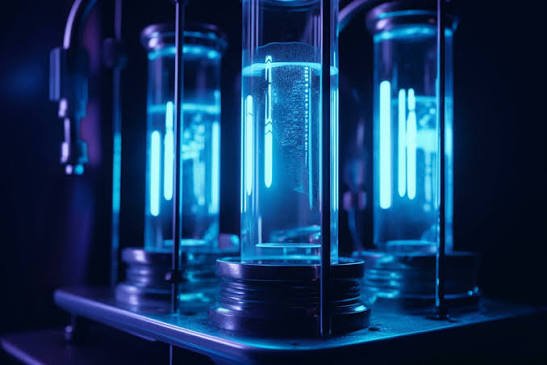
Ultraviolet water treatment systems have become increasingly popular because they disinfect water without adding chemicals.
While UV technology is highly effective, it relies on one small component that eventually reaches the end of its useful life—the lamp itself.
Routine uv lamp replacement is essential because even though the light may still appear to be glowing, its disinfecting intensity gradually decreases over time. Replacing the lamp according to manufacturer recommendations helps maintain consistent protection while ensuring the system continues operating as intended.
It’s a maintenance task that’s easy to overlook simply because everything appears to be functioning normally.
Water Conditions Can Change Throughout the Year
Many homeowners assume their incoming water stays exactly the same all year long. In reality, seasonal changes often influence water quality more than people realize.
Heavy rainfall can increase sediment levels. Dry seasons may concentrate naturally occurring minerals. Municipal treatment facilities occasionally make adjustments depending on weather, demand, or maintenance schedules.
These fluctuations place varying demands on treatment equipment.
Routine maintenance appointments provide an opportunity to verify that the system continues performing effectively despite changing water conditions. Small adjustments today often prevent noticeable performance issues later.
The Cost of Waiting Too Long
It’s understandable why maintenance sometimes gets postponed. After all, if the water still looks clear, everything must be fine…right?
Not necessarily.
Water treatment systems usually decline gradually rather than failing overnight. Performance slowly decreases until homeowners begin noticing unpleasant tastes, lower water pressure, cloudy glassware, or increased mineral buildup around fixtures.
Unfortunately, by that point the equipment may have been operating inefficiently for months.
Preventative maintenance is almost always less expensive than repairing neglected systems or replacing damaged components.
Professional Inspections Offer Peace of Mind
Some maintenance tasks are easy for homeowners to handle, such as checking salt levels or replacing certain filters. Others benefit from experienced technicians who understand the equipment inside and out.
Professional inspections often include checking valves, testing water pressure, examining seals, reviewing system programming, and verifying overall performance.
These visits can uncover hidden problems that would otherwise remain unnoticed until they become much larger—and more expensive—issues.
Just as importantly, they provide reassurance that your water treatment system continues delivering the quality of water your family expects.
Consistent Maintenance Protects More Than Your Water
Reliable water treatment influences nearly every room in the home.
Kitchen appliances operate more efficiently. Water heaters experience less scaling. Bathroom fixtures stay cleaner. Laundry often feels softer, while dishes come out with fewer spots.
When maintenance is ignored, those everyday benefits gradually begin disappearing.
Keeping your equipment in good condition helps protect plumbing, extend appliance life, reduce maintenance around the house, and improve overall comfort.
In other words, you’re maintaining much more than a single machine—you’re supporting the entire household.
Simple Habits Lead to Long-Term Reliability
Fortunately, maintaining a water treatment system doesn’t require complicated technical knowledge.
Following recommended service schedules, replacing consumable components on time, monitoring salt levels, and arranging periodic professional inspections are usually enough to keep most systems operating efficiently for many years.
Consistency matters far more than complexity.
A few small maintenance habits performed regularly will almost always outperform occasional emergency repairs after problems have already developed.
Final Thoughts
A quality water treatment system is one of those home investments that quietly improves daily life without demanding much attention. It delivers cleaner drinking water, helps protect appliances, reduces mineral buildup, and contributes to a more comfortable home every single day.
Like any dependable equipment, however, it performs best when it’s properly maintained.
Simple tasks completed at the right time help preserve water quality, extend equipment life, and reduce unexpected repair costs. More importantly, they ensure your family continues enjoying the benefits that convinced you to install the system in the first place.
In the end, maintenance isn’t about adding another chore to your schedule. It’s about protecting something you rely on every day—and making sure your water treatment system remains just as dependable tomorrow as it is today.