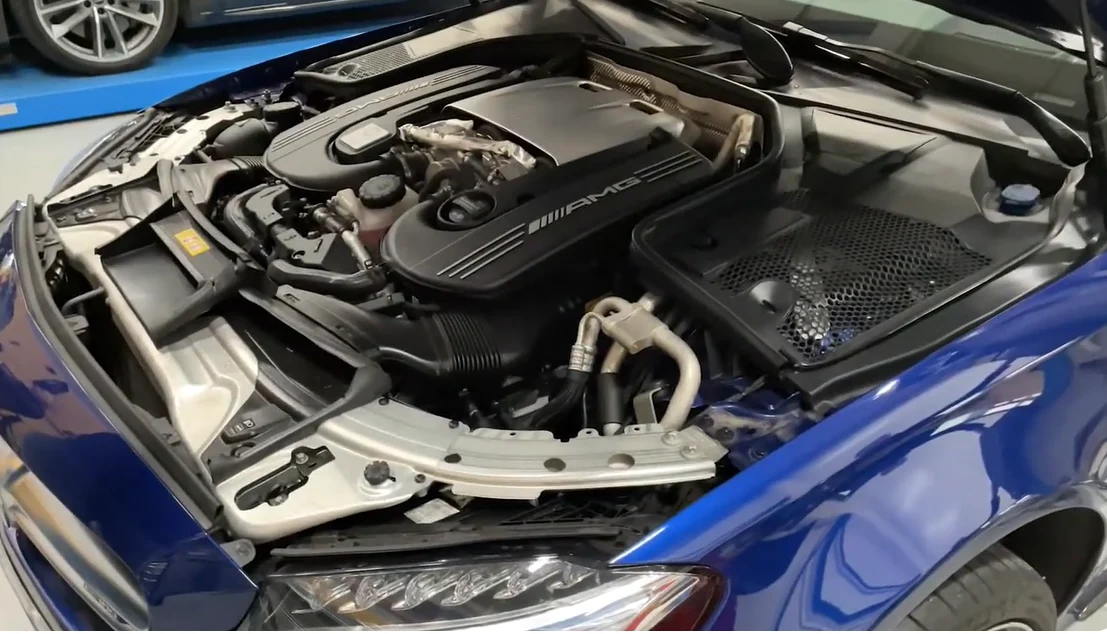
Mercedes-AMG vehicles are known for combining luxury, advanced engineering, and impressive performance. For many enthusiasts, however, the factory exhaust system is only the beginning. Performance-focused exhaust modifications can change the sound and character of an AMG while supporting a broader engine upgrade strategy.
Downpipes are one of the most discussed components in turbocharged Mercedes-AMG builds. Positioned close to the turbocharger, they influence the path exhaust gases take as they leave the engine. Choosing the right system requires more than looking at potential performance gains. Fitment, materials, catalytic configuration, tuning, heat management, and road-use regulations all deserve attention.
Why Downpipes Matter
A downpipe connects the turbocharger’s exhaust outlet to the remaining exhaust system. This location makes it particularly important for exhaust flow because the gases are extremely hot and move through the system under considerable pressure.
Factory downpipes are designed to balance several priorities, including emissions compliance, noise control, durability, and everyday drivability. Performance versions may use different tubing dimensions, smoother bends, and alternative catalytic-converter designs to reduce restrictions.
The results will vary from vehicle to vehicle. A downpipe is best considered as one component within a complete performance setup rather than a guaranteed source of a specific power increase.
Mercedes C63 W205 Downpipe Options
The Mercedes-AMG C63 W205 has earned a strong reputation among performance enthusiasts. Its powerful engine and distinctive exhaust note make it a natural platform for modification, particularly for drivers who want a more aggressive character.
When researching mercedes c63 w205 catted and catless downpipes , understanding the difference between the two configurations is essential. Catted systems retain catalytic converters and can offer a balance between exhaust flow, emissions control, and sound. Catless versions remove the catalytic restriction but can produce stronger exhaust odor and increased emissions.
The appropriate choice depends on how the vehicle is used. Owners driving on public roads should always check local emissions and inspection requirements before making changes to the exhaust system.
Mercedes A45 S Decat Downpipe
The Mercedes-AMG A45 S demonstrates how much performance can be produced from a relatively compact engine. Its turbocharged powertrain provides strong acceleration, making exhaust and software modifications popular among enthusiasts.
A mercedes a45s decat downpipe can significantly alter the exhaust characteristics of the vehicle. By removing the catalytic converter, a decat design creates a less restricted exhaust path, which can change turbocharger response and produce a noticeably different exhaust tone.
However, this type of modification can also affect emissions systems and engine-management behavior. Warning lights or changes in sensor readings may occur, depending on the vehicle and configuration. Professional installation and suitable calibration should therefore be considered before modifying the factory exhaust.
Mercedes-AMG GT, GTR, and GTS Downpipes
The Mercedes-AMG GT family brings sports-car performance together with sophisticated engineering and distinctive styling. Models such as the GT, GTR, and GTS have attracted enthusiasts who want to enhance both the sound and performance character of their cars.
When choosing mercedes amg gt gtr gts downpipes , vehicle-specific compatibility should be a priority. Although these models share elements of AMG engineering, differences in exhaust routing, sensors, mounting points, and other components can affect compatibility.
A quality downpipe should be manufactured with accurate dimensions and strong connections. Proper sensor positioning is also important because modern AMG vehicles rely heavily on electronic monitoring of exhaust and engine conditions.
Catted vs. Catless Systems
The choice between catted and catless downpipes involves several considerations. Catted systems retain emissions-control hardware and can be more appropriate for vehicles that need to comply with road-use requirements.
Catless systems generally offer a less restrictive exhaust path but can increase emissions, exhaust odor, and noise. They may also cause engine-management warnings if the vehicle detects changes in exhaust-gas readings.
For this reason, buyers should consider intended use before purchasing. A setup designed for motorsport or closed-course applications may not be suitable for a daily road car.
Materials and Construction Quality
Performance downpipes operate in an environment exposed to extreme temperatures. Material quality is therefore just as important as the design itself.
High-quality stainless steel is commonly selected for its resistance to heat and corrosion. Smooth bends, carefully finished welds, properly designed flanges, and reliable mounting points can all contribute to a more durable system.
It is also worth choosing components developed specifically for the exact Mercedes-AMG model rather than assuming that similar engines automatically use interchangeable exhaust parts.
Installation and ECU Considerations
Downpipe installation should be performed carefully because incorrect positioning can create exhaust leaks, sensor problems, or unwanted stress on surrounding components. Professional installation can help ensure that all connections and mounting hardware are properly secured.
Changing exhaust flow can also influence engine-management behavior. Depending on the configuration, ECU tuning may be required to accommodate the modified exhaust system and prevent unwanted warnings.
Final Thoughts
Performance downpipes can be an effective way to personalize a Mercedes-AMG vehicle. Whether the goal is a deeper exhaust note, improved flow, or support for a larger tuning package, the right component should be selected according to the vehicle and its intended use.
For C63 W205, A45 S, GT, GTR, and GTS owners, careful attention to fitment, construction, catalytic configuration, tuning, installation, and local regulations can make the modification process far more straightforward. A thoughtful exhaust upgrade is ultimately about creating the right balance between performance, sound, reliability, and everyday usability.