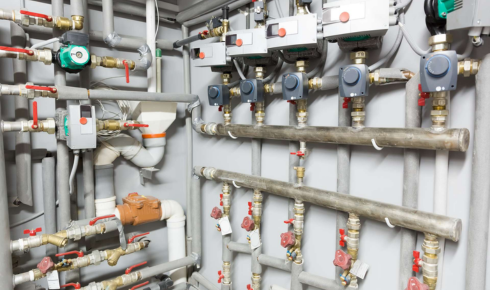
A water treatment system is meant to make life easier. It quietly filters, softens, conditions, or disinfects your household water while you get on with everything else. But like any mechanical equipment, it can eventually need attention.
Maybe the water pressure has changed. Perhaps scale has started appearing again, a filter needs replacing, or the system is making a noise it never made before. In situations like these, professional service can be much more useful than trying to diagnose everything yourself.
When Your Water System Needs Attention
Water treatment problems aren’t always dramatic. Often, the first signs are subtle.
You may notice a change in taste or odor, reduced water flow, unusual noises, leaks around fittings, or a return of mineral deposits. Sometimes the system appears to be operating normally, but a filter or other component has simply reached the end of its useful life.
Ignoring these signs isn’t ideal. A small issue can sometimes be resolved quickly when caught early, while leaving it alone may lead to a larger repair later.
That’s where experienced technicians can make a difference.
The Value of Expert Technicians
Working with expert technicians isn’t just about having someone turn up with a toolbox. A knowledgeable technician should understand how different filtration, softening, reverse osmosis, disinfection, and conditioning systems work.
That experience can help with accurate troubleshooting.
For example, low water pressure could be caused by a clogged filter, a valve problem, inadequate incoming pressure, or something unrelated to the treatment equipment. Replacing a filter without identifying the actual cause may not solve anything.
A trained professional can inspect the system, identify likely causes, and explain what needs to happen next.
Knowing When to Request Service
Some problems clearly require professional attention. Others are simple maintenance tasks homeowners can handle themselves.
Filter replacement may be straightforward for certain systems, while problems involving electrical components, pressure tanks, control valves, pumps, or plumbing connections are generally better left to someone with the appropriate experience.
If you’re unsure, requesting an inspection can be a sensible middle ground.
You don’t necessarily need to commit to a major repair just because you schedule an evaluation. A good service visit should begin with understanding the problem.
Making a Service Appointment
When equipment isn’t performing properly, arranging a service appointment gives a technician an opportunity to inspect the system in person.
Before the appointment, make a few notes about what you’ve noticed. When did the problem begin? Has water pressure changed? Does the issue affect every faucet or only one? Have filters recently been replaced?
Those details can save time and help the technician narrow down the possible causes.
If you have previous service records or water-test results, keep them available too. Even small pieces of information can be helpful.
What Happens During a Service Visit?
The exact process depends on the equipment, but a technician may inspect filters, valves, tanks, plumbing connections, pressure levels, control settings, and other components.
They may also look for signs of leaks, mineral buildup or wear.
If a repair is recommended, ask what failed and why. It’s perfectly reasonable to understand whether the issue is urgent, whether a component can be repaired, and what the expected cost will be.
Clear communication is just as important as technical skill.
Don’t Overlook Preventive Maintenance
You don’t always need to wait for something to break.
Routine servicing can help identify worn components before they cause a larger issue. It can also ensure filters are replaced on schedule and system settings remain appropriate.
Preventive maintenance can be particularly valuable for equipment that operates continuously or serves the entire home.
Think of it like servicing a car. You don’t wait for the engine to fail before checking the oil. Water treatment equipment deserves a similar level of practical attention.
Using a Service Request Form
Many water-treatment companies provide a service request form to make scheduling easier.
A useful request should include basic details about the problem, such as changes in water quality, pressure issues, leaks, unusual sounds, or filter concerns. Providing accurate information helps the service team understand why you’re contacting them before the appointment.
If the form allows you to describe the problem in detail, be specific. “Water tastes strange” is useful, but “the chlorine taste returned about two weeks after the filter was changed” provides much more context.
Small details can speed things up.
Repairs Versus Replacement
Not every malfunction means the entire system needs replacing.
A relatively new system with a failed valve, worn seal, clogged filter, or other replaceable component may simply need a repair. An older system with repeated failures or obsolete parts may be a different story.
Ask for an explanation of both options when appropriate.
Replacing equipment can make sense when repair costs are approaching the value of the system, but there’s no reason to replace a perfectly serviceable unit because one component has failed.
Good Service Builds Confidence
Water treatment is an investment, and homeowners should feel confident that their equipment is doing what it is supposed to do.
Professional service can provide reassurance while helping extend the useful life of the system. More importantly, it gives you someone to turn to when something changes.
You shouldn’t need to become a plumbing expert just because your filter system has developed a problem.
Keep Your Water System Working Properly
A well-maintained water treatment system should largely stay in the background. When it starts demanding attention, don’t ignore the warning signs.
Keep track of filter replacements, follow recommended maintenance schedules, and arrange professional service when the problem goes beyond routine care.
Whether you’re booking an inspection, submitting a service request, or arranging repairs, clear information and qualified help can make the process much easier.
In the end, good water treatment isn’t only about choosing the right equipment. It’s also about keeping that equipment reliable long after installation. That’s where proper service earns its place.