Water is one of those everyday necessities we tend to trust without thinking much about it. We turn on the faucet, fill a glass, make coffee, cook dinner, and get on with the day. Most of the time, that’s perfectly normal. But when water develops an unusual taste, leaves stains on fixtures, or starts behaving differently, it’s natural to wonder what has changed.
The answer isn’t always obvious.
Water can contain minerals picked up underground, sediment from the environment, microorganisms, or other substances introduced through natural and human activities. Some affect plumbing or appearance, while others deserve more careful investigation.
The good news is that homeowners don’t have to rely on guesswork. Testing can provide useful information, and the right treatment can address specific problems without turning the home into a maze of unnecessary filters.
Why a Free Water Test Can Be a Good First Step
For homeowners who have never investigated their water before, a free water test can be an appealing starting point.
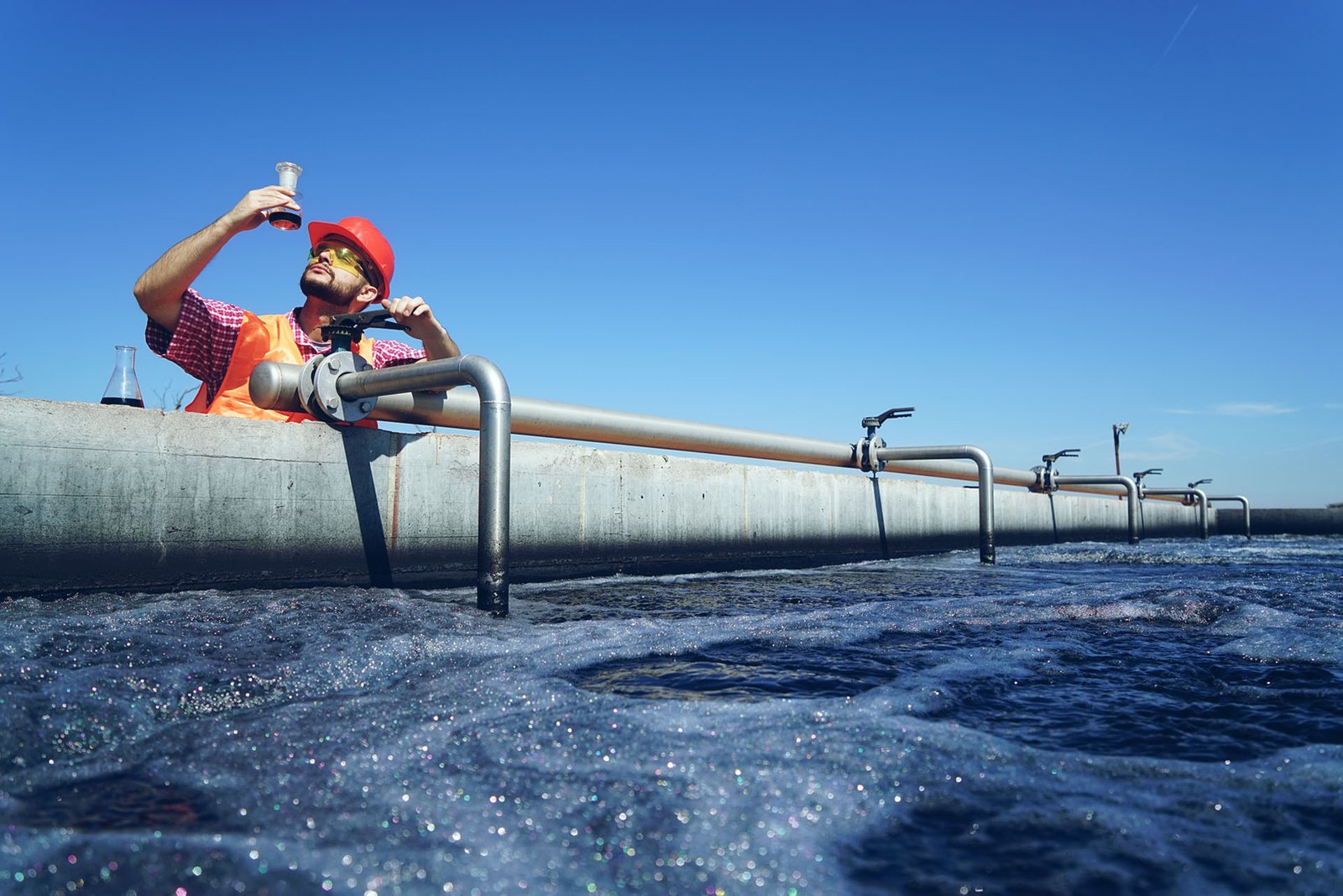
Some water-treatment providers offer basic testing or screening to help identify common characteristics such as hardness, pH, iron, chlorine, or total dissolved solids. It can be useful for spotting obvious issues and deciding whether more detailed testing is worthwhile.
However, not all tests are created equal.
A complimentary screening shouldn’t automatically be treated as a substitute for certified laboratory analysis, especially when there are concerns about health-related contaminants. It’s important to ask what the test actually measures and how the sample is handled.
Think of a basic test as an introduction rather than the final word.
If the results raise questions, more comprehensive laboratory testing may provide a much clearer picture.
What Could Be in Household Water?
The phrase water contaminants covers a broad range of substances.
Some occur naturally. Groundwater can pick up minerals such as iron, manganese, calcium, and magnesium as it travels through soil and rock. Other substances may enter water through agricultural runoff, septic systems, industrial activity, flooding, or damaged infrastructure.
Microorganisms are another category. Bacteria and other microbes can become a concern when water sources are vulnerable to contamination.
Then there are substances such as nitrates, arsenic, lead, and other compounds that may require specific testing depending on local conditions.
Importantly, not every substance found in water represents the same kind of risk. Concentration, exposure, and the particular contaminant all matter.
That’s why good testing focuses on actual measurements rather than frightening assumptions.
Clear Water Isn’t Always the Whole Story
People naturally judge water by appearance.
If it’s clear, odorless, and tastes fine, it feels safe. Unfortunately, some substances don’t announce themselves that way.
Certain dissolved contaminants may have no noticeable color, smell, or taste. Some microorganisms are also invisible to the naked eye.
This is especially important for private well owners. Groundwater quality can vary depending on geology, rainfall, nearby land use, septic systems, and the condition of the well itself.
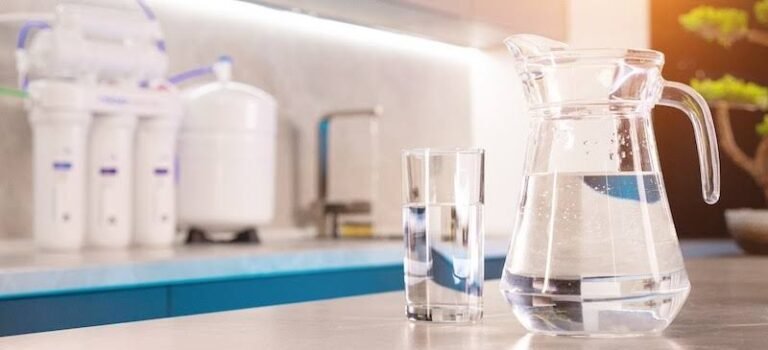
A clear glass of water can look perfectly normal while still warranting testing.
That’s not a reason to panic. It’s simply a reminder that our senses have limits.
Private Wells Deserve Regular Attention
A private well can provide excellent water, but homeowners have more responsibility for monitoring it.
Municipal systems generally have established treatment and monitoring processes. With a private well, the homeowner needs to arrange appropriate testing and keep track of changes.
Testing may be especially sensible after flooding, heavy rainfall, major well repairs, or changes in nearby land use.
Keeping previous reports is helpful, too. A single test gives you a snapshot. Several tests over time can establish a baseline and make unusual changes easier to recognize.
If the water suddenly develops an odor or changes in appearance, you’ll have useful historical information rather than relying on memory.
Understanding Water Treatment Options
Once a problem has been identified, water treatment becomes much easier to approach.
The treatment should match the specific issue.
Hard water may respond well to a water softener. Sediment can often be reduced with mechanical filtration. Activated carbon is commonly used for certain tastes, odors, chlorine, and other compounds. Reverse osmosis can reduce many dissolved substances at the point of use.
Ultraviolet systems may be appropriate for certain microbial concerns when properly designed and maintained.
There is no single piece of equipment that solves every water-quality problem.
That’s an important point because homeowners sometimes assume that an expensive multi-stage filter must automatically be better. In reality, unnecessary treatment can increase costs without providing meaningful benefits.
Testing Before Buying Equipment
Buying treatment equipment before testing is a common mistake.
Imagine spending thousands on a system designed to reduce one substance, only to discover later that the actual issue was something completely different.
A test can help answer practical questions.
Is the water hard? Is there elevated iron? Is chlorine affecting taste? Is there a concern about nitrates? Does microbial testing make sense?
Once those questions are answered, treatment can be selected with much greater confidence.
It’s similar to fixing a car. You wouldn’t replace the engine because the check-engine light came on without first finding out why.
Water treatment deserves the same common sense.
When Professional Advice Is Worthwhile
Water chemistry can become complicated quickly. Terms like pH, turbidity, hardness, oxidation, dissolved solids, and ion exchange aren’t exactly casual conversation.
A qualified water professional can help translate test results into practical choices.
Look for someone who asks questions before recommending equipment. They should want to know your water source, household size, existing problems, and test results.
Be cautious about recommendations that sound too universal. If someone claims one system will remove every possible contaminant, it’s reasonable to ask for more details.
Good advice should explain what the equipment does, what it doesn’t do, and what maintenance it requires.
Maintenance Keeps Treatment Working
Even the best system needs attention.
Filters become saturated. Softener components require maintenance. Reverse osmosis membranes eventually need replacement. UV equipment needs regular servicing.
Neglecting maintenance can reduce performance and make a system much less useful than it was when first installed.
A simple maintenance calendar can solve much of this. Record filter changes, service visits, and water-testing dates. If you notice a change later, you’ll have a useful record to review.
It’s a small habit, but it can prevent bigger headaches.
Better Water Decisions Start With Information
There’s no need to become obsessed with every molecule in your household water. The smarter approach is much simpler.
Know your water source. Pay attention to changes. Test when there’s a good reason to test, especially if you rely on a private well. And choose treatment based on actual results rather than a generic sales pitch.
A free water test can be a useful introduction, but more detailed testing may be necessary when specific concerns arise. Understanding potential water contaminants helps put those results into context, while appropriate water treatment can address problems that genuinely affect your household.
In the end, good water management isn’t about making water unnecessarily complicated. It’s about replacing uncertainty with information and choosing practical solutions that fit your home.
Sometimes, the best first step is simply asking a straightforward question: What’s actually in my water? Once you know the answer, the rest becomes much easier.