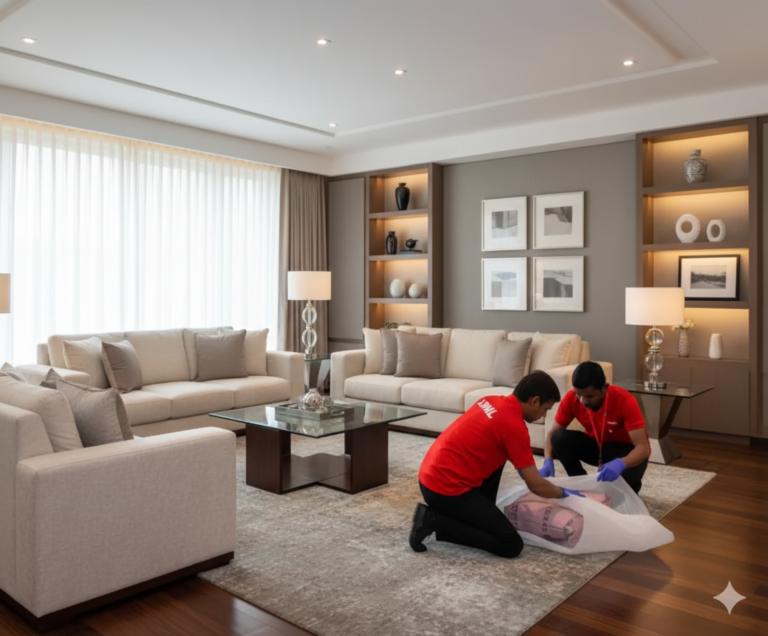
Home should be the one place where you can truly relax. It’s where families gather after work, kids play, pets roam freely, and quiet evenings unfold after busy days. We often spend time choosing comfortable furniture, painting walls, or upgrading kitchens, but there’s one part of our living space that usually goes unnoticed—the air we breathe.
Unlike clutter on a countertop or dust on a shelf, poor indoor air is invisible. You won’t always notice it immediately, yet it quietly shapes how comfortable your home feels. Maybe you’ve woken up with a stuffy nose, noticed lingering cooking smells, or wondered why dust settles again just days after cleaning. Those little signs often point toward something worth paying attention to.
The encouraging part is that improving indoor air doesn’t always require expensive renovations. A few practical habits, combined with the right equipment, can make a noticeable difference over time.
Why Indoor Air Deserves More Attention
The average person spends most of the day indoors. Between working from home, watching television, sleeping, preparing meals, and simply relaxing, it’s easy to spend twenty hours or more inside.
That means the condition of your indoor environment matters far more than many people realize.
Conversations around air quality have become much more common over the past few years, and for good reason. Dust, pollen, pet dander, smoke particles, and everyday household contaminants don’t simply disappear. Without enough ventilation, they continue circulating throughout the home, often without anyone realizing it.
A cleaner indoor environment doesn’t guarantee perfect health, but it certainly creates a more comfortable place to live.
Everyday Activities Add More Than You Think
Think about everything that happens inside a home during an ordinary day.
Breakfast is cooked.
Someone lights a scented candle.
Pets jump onto furniture.
Shoes bring in dirt from outside.
Cleaning sprays are used in bathrooms.
Laundry dries indoors during rainy weather.
None of these activities seems unusual. In fact, they’re part of normal life. Yet together they introduce tiny airborne particles that gradually build up inside the house.
Modern homes are also built to be more energy efficient, which means they’re sealed tightly to reduce heating and cooling costs. While that’s great for lowering utility bills, it also means stale indoor air often stays trapped much longer than it used to.
Good Ventilation Is Still One of the Best Solutions
People sometimes assume improving indoor air requires expensive technology, but one of the simplest methods has been around forever.
Fresh outdoor air.
Whenever weather conditions allow, opening windows for even fifteen or twenty minutes helps replace stale indoor air with fresh air from outside.
Kitchen exhaust fans should always be used while cooking, especially when frying food or preparing meals that generate smoke or steam. Bathroom fans help remove moisture before mold has the opportunity to grow.
Small daily habits like these quietly improve indoor comfort without costing anything.
Choosing Better Filters Makes a Difference
Your home’s heating and cooling system constantly moves air from room to room. Every cycle provides an opportunity to remove airborne particles—if the filter is doing its job.
Modern filtration systems are designed to capture much smaller particles than older standard filters. High-quality filters can reduce dust, pollen, pet hair, and other microscopic debris before it continues circulating through the house.
Of course, even the best filter eventually becomes clogged. Replacing filters according to the manufacturer’s recommendations is just as important as choosing the right one in the first place.
A neglected filter can’t perform the job it was designed to do.
Humidity Plays an Important Role Too
Indoor comfort isn’t determined only by temperature.
Humidity has a surprisingly large influence on how a home feels.
Air that’s too dry may leave skin feeling itchy and eyes irritated, especially during winter months. Excess humidity creates an entirely different problem by encouraging mold growth and dust mites.
Experts generally recommend maintaining indoor humidity between 30 and 50 percent. A simple hygrometer provides an inexpensive way to monitor moisture levels throughout the year.
Finding the right balance often makes a room feel noticeably fresher.
Housekeeping Is Still Part of the Equation
Technology helps, but regular cleaning remains one of the most effective ways to reduce airborne particles.
Vacuum carpets frequently using a HEPA-equipped vacuum.
Wash bedding every week.
Dust ceiling fans and vents.
Clean behind large furniture.
Repair water leaks before moisture becomes mold.
These jobs aren’t exciting, but they’re incredibly effective over time.
Many homeowners are surprised by how much cleaner a house feels simply by keeping dust from continuously building up.
Plants Add Comfort, Even If They Aren’t Magic
Houseplants have become incredibly popular in recent years, and it’s easy to understand why.
They brighten rooms, soften interiors, and make homes feel more welcoming.
Although some studies suggest plants can absorb limited amounts of airborne compounds, their biggest benefit is often psychological rather than mechanical. A room filled with greenery simply feels calmer and more inviting.
Plants work best as part of an overall approach to creating a healthier indoor environment instead of serving as the only solution.
Building a Home With Clean Indoor Air
Achieving clean indoor air isn’t about creating a perfectly sterile house. That’s neither practical nor necessary. Instead, it’s about reducing unnecessary contaminants while making everyday living more comfortable.
Simple improvements—changing HVAC filters regularly, controlling humidity, vacuuming consistently, improving ventilation, and keeping heating and cooling equipment maintained—can gradually transform the atmosphere inside a home.
These aren’t dramatic overnight changes. They’re steady improvements that build over months and years.
At the end of the day, a healthy home isn’t defined by expensive appliances or trendy gadgets. It’s created through thoughtful habits and regular maintenance that support everyone living under the same roof.
Sometimes the biggest improvement you can make isn’t something you’ll see with your eyes—it’s something you’ll breathe every single day.